8975 S. Pecos Rd. #5A Henderson, NV 89074


By Ascend Dental Studio | October 5, 2026
Your jaw is shifting — and if you’ve lost a tooth, that process may already be underway. Many Henderson residents delay replacing missing teeth, often thinking the problem can wait. But waiting on dental implants gets harder in Henderson the longer you put it off. Dr. Timothy Luong at Ascend Dental Studio sees this pattern regularly, and the consequences are very real.
This article walks you through the warning signs that you’ve already waited too long. Understanding these signs can help you take action before the situation becomes more complex and costly to treat.
What Happens to Your Jaw After You Lose a Tooth
Your jawbone needs constant stimulation to stay healthy and dense. Tooth roots provide that stimulation every time you chew or bite. When a tooth is gone, that stimulation disappears completely.
Within the first year of tooth loss, you can lose up to 25% of the bone in that area. This process is called resorption, and it doesn’t stop on its own. Over time, the bone shrinks and the jaw begins to change shape.
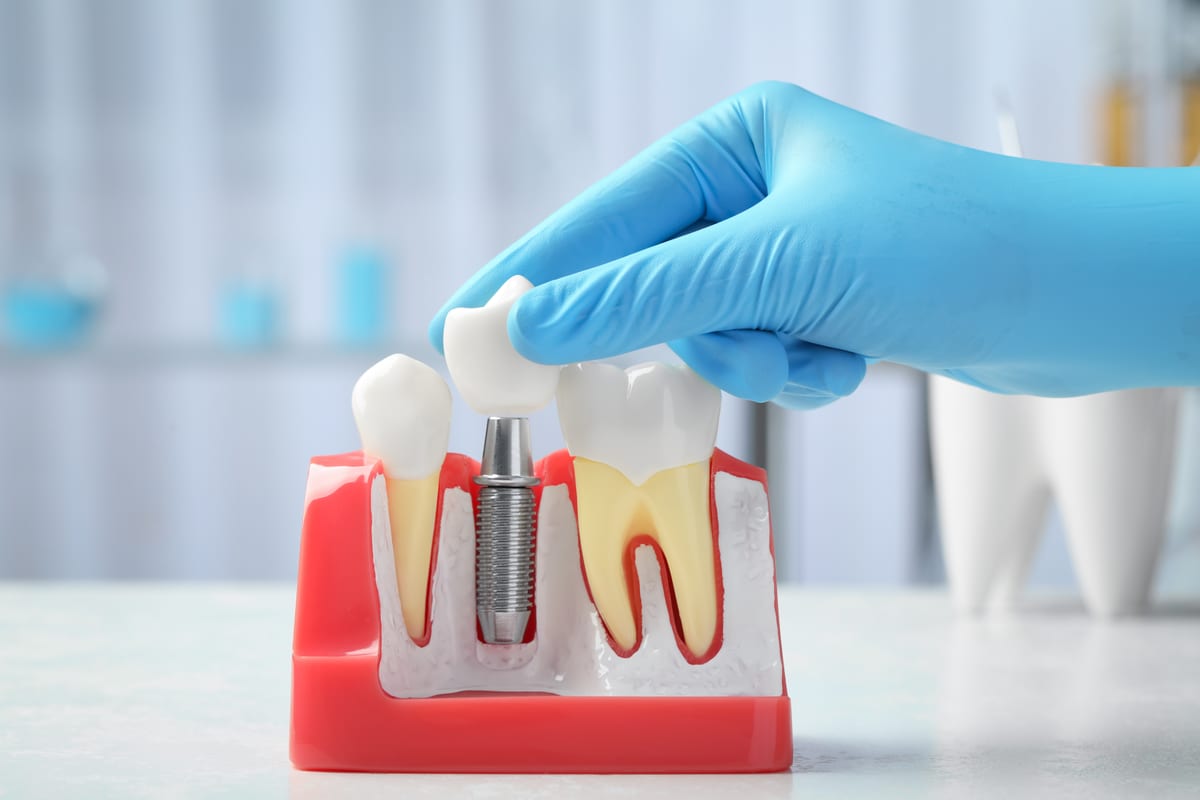
This is exactly why your jaw is shifting when you wait on dental implants in Henderson. The structural foundation beneath your gumline is literally dissolving. Dental implants are the only tooth replacement option that stops bone loss by mimicking a natural root.
Warning Signs You’ve Already Waited Too Long in Henderson
Most people don’t notice jaw changes right away. The signs appear gradually, which makes it easy to ignore them. But once you know what to look for, the pattern becomes clear.
Here are the most common warning signs that delayed tooth replacement is already affecting your health:
- Shifting or drifting teeth — Neighboring teeth begin to lean into the empty space over time.
- Difficulty chewing — You avoid certain foods or chew only on one side.
- Sunken facial appearance — Bone loss changes the shape of your face, especially around the cheeks and jaw.
- Increased tooth sensitivity — Exposed roots from shifting teeth become more vulnerable.
- Bite problems — Your upper and lower teeth no longer meet correctly.
- Jaw pain or clicking — Uneven bite pressure strains your jaw joint over time.
If you recognize any of these signs, it’s important to act soon. These are not cosmetic concerns — they are structural warning signals. Dr. Luong can evaluate your bone density and help you understand your options before the situation worsens.
How Shifting Teeth Create a Chain Reaction
Tooth loss rarely stays a single-tooth problem. When one tooth is missing, the surrounding teeth shift to fill the gap. This creates misalignment that spreads throughout your entire bite.
Shifted teeth are harder to clean. They create tight, awkward angles where plaque accumulates. That buildup increases your risk of decay and gum disease in otherwise healthy teeth.
Gum disease, left untreated, can require Root Canal Therapy Henderson patients might have avoided with earlier intervention. Infections that spread from compromised teeth affect surrounding bone and tissue. What started as one missing tooth can evolve into a much more complex restorative case.
This chain reaction is one of the most important reasons not to delay. Each month without an implant allows more movement and more damage to adjacent structures.
Why Implants Become Harder to Place Over Time
Placing a dental implant requires sufficient bone volume at the site. When bone resorption has progressed significantly, there may not be enough bone left to anchor an implant securely.
In those cases, patients need a bone grafting procedure before implant placement can occur. Bone grafting adds healing time, additional appointments, and greater overall treatment complexity. It is entirely preventable in many situations with earlier action.
The good news is that many Henderson patients still qualify for implants even after some bone loss. A thorough evaluation with 3D imaging helps Dr. Luong determine exactly how much bone remains. But the window for straightforward implant placement does narrow over time.
The Role of Preventive Care in Protecting Your Remaining Teeth
One of the best ways to avoid implant-related complications is to protect the teeth you still have. Preventive Dental Care Henderson patients rely on includes regular cleanings, exams, and early-stage treatment before problems escalate.
When patients visit Ascend Dental Studio consistently, Dr. Luong can detect issues like gum recession, early bone changes, and bite misalignment before they become serious. Catching these problems early keeps your treatment options open and your costs lower.
Here’s what a strong preventive routine includes:
- Biannual professional cleanings and oral exams
- Digital X-rays to monitor bone levels over time
- Gum health assessments to track recession and pocket depth
- Early intervention for cracked or weakened teeth before extraction is needed
- Custom mouthguards for patients who grind their teeth at night
Preventive care and implant planning work together. Protecting your existing teeth reduces the likelihood that you’ll face additional tooth loss down the road.
What to Expect When You’re Ready to Move Forward
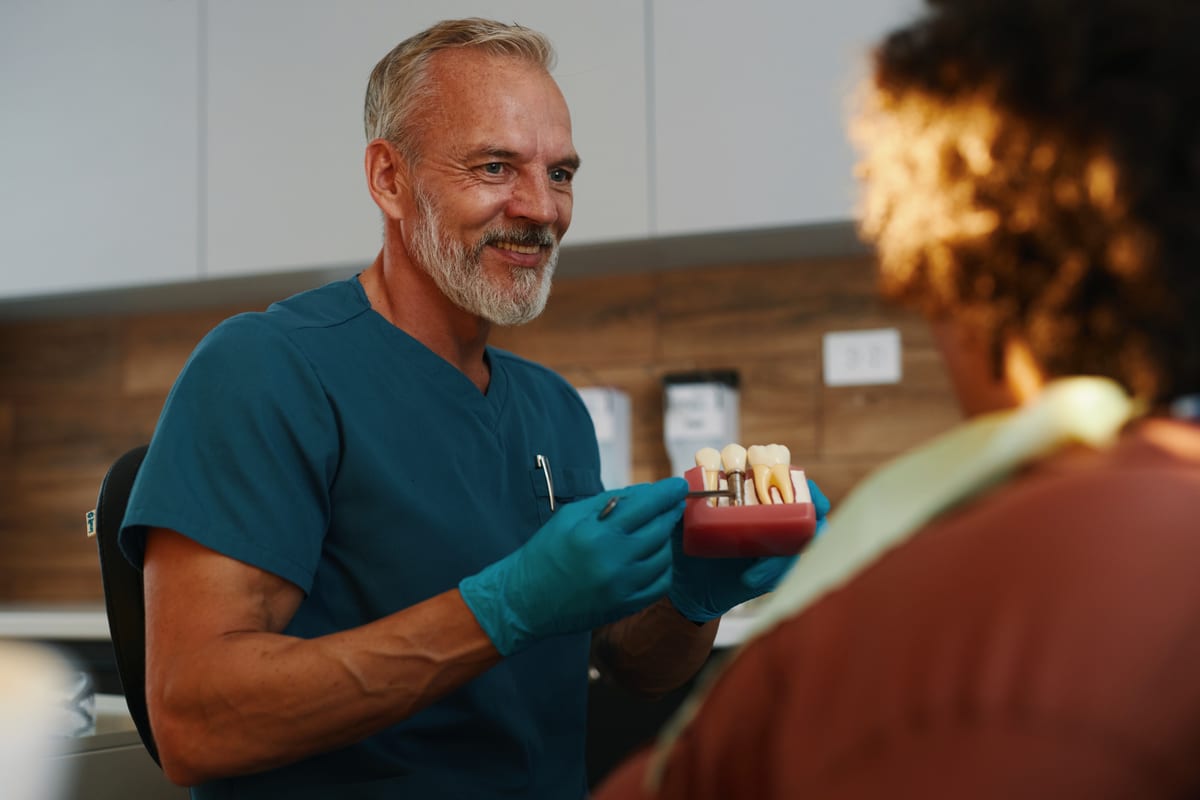
Starting the implant process may feel intimidating, but the first step is simply a conversation. Dr. Luong walks every patient through a full evaluation before recommending any treatment.
During your consultation, the team takes 3D imaging to assess bone volume and gum health. You’ll learn exactly what your jaw looks like now and what treatment will involve. There are no surprises and no pressure — just clear, honest information.
Many patients are pleasantly surprised to find they are still excellent implant candidates, even after waiting longer than they should have. The important thing is to get that evaluation so you know exactly where you stand.
Frequently Asked Questions
How quickly does bone loss begin after losing a tooth?
Bone loss begins almost immediately after tooth loss. Within the first three to six months, measurable changes can occur. Within a year, up to 25% of bone volume in the affected area may already be gone. This is why early replacement is so strongly recommended by dental professionals.
Can I still get a dental implant if I’ve already experienced bone loss?
In many cases, yes. Dr. Timothy Luong will use 3D imaging to assess how much bone remains. If bone volume is insufficient, a bone graft may be recommended before implant placement. This adds steps to the process but still allows most patients to receive implants successfully.
Why are my other teeth shifting after I lost just one tooth?
Teeth rely on each other for support and spacing. When one tooth is missing, neighboring teeth gradually drift or tilt into the empty space. This misalignment affects your bite, makes teeth harder to clean, and can lead to further dental problems over time. Replacing the missing tooth with an implant stops this movement.
Is difficulty chewing always a sign of a serious problem?
Not always, but it is a warning sign worth investigating. Difficulty chewing can indicate bite misalignment, bone loss, or shifting teeth — all of which are associated with unaddressed tooth loss. A dental evaluation will identify the underlying cause and guide appropriate treatment.
How is Ascend Dental Studio different from other dental practices in Henderson?
Ascend Dental Studio focuses on patient education and personalized care. Dr. Luong takes time to explain findings clearly and works with each patient to create a realistic, comfortable treatment plan. The practice combines advanced imaging technology with a friendly, low-pressure environment that puts patients at ease.
If you’ve noticed any of the warning signs discussed here, don’t wait for things to get more complicated. The team at Ascend Dental Studio is ready to evaluate your situation with clarity and care. Book Now to schedule your appointment with our team.