8975 S. Pecos Rd. #5A Henderson, NV 89074



By Ascend Dental Studio | September 4, 2024
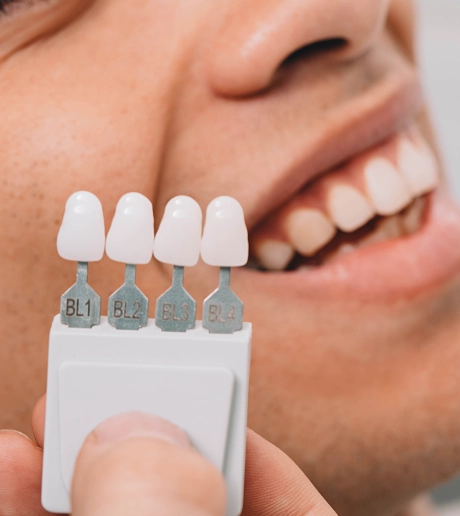
If you are considering veneers, it is natural to wonder what happens if you change your mind later. You may love the idea of a brighter, more even smile, but feel hesitant about making a permanent change to your teeth.
Can you go back to your natural teeth after getting veneers? Usually, no, if your veneers require enamel to be removed. Once natural enamel is removed, it does not grow back. However, some minimal-prep or no-prep veneer options may involve little or no enamel removal and can be reversible in certain cases.
For patients considering veneers in Henderson, Dr. Timothy Luong at Ascend Dental Studio can evaluate your teeth, discuss your cosmetic goals, and explain how much tooth preparation your treatment may require. A consultation is a good opportunity to ask questions before making a long-term decision.
Are Veneers Permanent?
Traditional porcelain veneers are generally considered a permanent cosmetic treatment because placing them may require removing a small amount of enamel from the front of the teeth. Enamel cannot regenerate after it has been removed.
This does not mean the same veneer will stay on your tooth forever. Veneers can chip, crack, loosen, or wear over time and may eventually need repair or replacement. The important distinction is that the veneer can be replaced, but removed enamel cannot be restored to its original natural state.
That is why your dentist should evaluate your teeth, bite, oral health, and expectations before treatment.
What Happens if Veneers Are Removed?
If a traditional veneer is removed after the tooth has been prepared, the tooth will not simply return to the way it looked before treatment.
The amount of preparation varies from patient to patient. Depending on the condition of the tooth and how much enamel was removed, your dentist may recommend another veneer, bonding, or another restoration rather than leaving the prepared tooth uncovered.
Your dentist will need to examine the tooth before determining what is appropriate. There is no universal “veneer removal” treatment that restores the original tooth structure.
Can No-Prep Veneers Be Reversed?
Sometimes.
No-prep or minimal-prep veneers are designed to preserve more natural tooth structure than traditional veneers. However, the terms can be used differently depending on the product and treatment approach. Even no-prep veneers may involve some enamel alteration in certain cases.
Whether a veneer is truly reversible depends on what was done to the tooth before placement, not simply what the veneer is called.
If reversibility is important to you, ask your dentist specifically:
- Will any enamel be removed?
- How much tooth preparation is expected?
- What happens if I later want the veneers removed?
- What alternatives could achieve a similar cosmetic result?
Getting clear answers before treatment can help you make a more informed decision.
Why Do People Want Veneers Removed?
Patients may become unhappy with veneers for several reasons. For example, they may:
- Want a different tooth shape or shade
- Experience discomfort or bite concerns
- Have a chipped, cracked, or loose veneer
- Feel that their veneers no longer match their cosmetic preferences
- Develop dental problems involving the underlying tooth
A veneer that is damaged or does not fit properly may sometimes be repaired, adjusted, or replaced. Your dentist can determine the appropriate option after examining the restoration and the underlying tooth.
If you are experiencing persistent pain, significant sensitivity, swelling, or difficulty chewing, schedule a dental evaluation rather than attempting to remove or alter a veneer yourself.
What Are the Alternatives to Veneers?
If you are concerned about permanently changing your natural teeth, ask about less invasive cosmetic options.
Dental bonding
Dental bonding uses tooth-colored composite resin to improve the appearance of minor chips, gaps, shape concerns, and discoloration. Because bonding may require little or no enamel removal, it can be reversible in appropriate situations.
Professional teeth whitening
If discoloration is your primary concern, professional whitening may be worth considering before veneers. Whitening changes the color of natural teeth without placing a permanent restoration over them.
Orthodontic treatment
If spacing or tooth position is your main concern, braces or clear aligners may be appropriate depending on your bite and dental health.
The best option depends on whether you want to change tooth color, shape, size, position, or several of these factors at once.
Do Veneers Damage Your Natural Teeth?
Veneers themselves do not automatically damage healthy teeth. The more important consideration is the preparation required to place them and the long-term health of the tooth underneath the restoration.
The ADA recommends having veneers placed by a licensed dentist because treatment that alters tooth structure can have irreversible consequences when improperly performed.
Good oral hygiene remains important after veneers because the natural tooth underneath can still develop decay or other dental problems.
Questions to Ask Before Getting Veneers
Before committing to treatment, consider asking your dentist:
- How much enamel will need to be removed?
- Is a minimal-prep or no-prep approach appropriate for me?
- What will happen if I eventually want my veneers removed?
- How long are the veneers expected to last in my situation?
- What alternatives could achieve a similar result?
- Do I have any dental or bite issues that should be treated first?
These questions can help you understand both the cosmetic benefits and the long-term implications of treatment.
Make an Informed Decision About Veneers
Veneers can significantly change the appearance of your smile, but it is important to understand what happens to your natural teeth before treatment. If enamel is removed, you cannot simply return to the exact condition of your original teeth after the veneers are taken off.
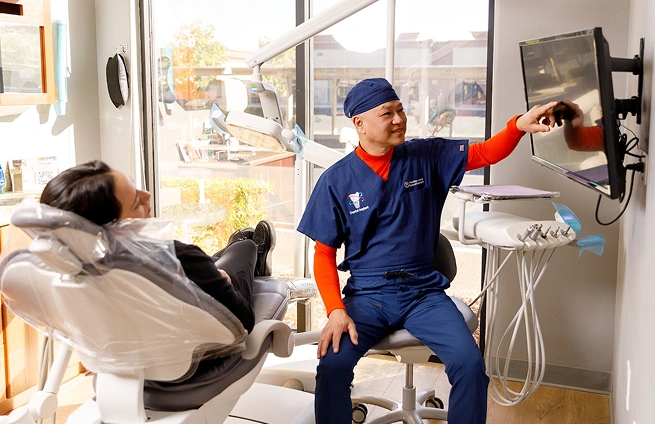
For patients considering veneers, Dr. Timothy Luong at Ascend Dental Studio can evaluate your teeth and explain the available treatment approaches, including how much preparation may be needed. If you are unsure whether veneers are right for you, contact the practice to schedule a consultation and discuss your options.
Frequently Asked Questions
Can you go back to natural teeth after veneers?
Usually not if enamel was removed during preparation. Removed enamel does not grow back, so traditional veneers are generally considered irreversible. Some minimal-prep or no-prep treatments may be reversible depending on whether the natural tooth structure was altered.
Can veneers be removed and replaced?
Yes. A dentist can remove and replace a veneer when clinically necessary. However, replacing the restoration does not restore any natural enamel that was previously removed.
Are veneers permanent?
Veneers are considered a long-term, generally irreversible treatment when enamel preparation is involved. The individual veneers themselves are not necessarily permanent and may eventually require replacement.
Do veneers hurt?
Veneer placement itself should be planned around your comfort, but some patients can experience temporary sensitivity after tooth preparation. Your dentist can explain what to expect based on your treatment.
Is dental bonding reversible?
Dental bonding can often be reversed because it generally does not require significant enamel removal. However, the exact approach depends on the tooth and the type of cosmetic correction being performed.
When should I talk to a dentist about veneers?
Talk with a dentist before treatment if you are unsure about the permanence of veneers, have concerns about your bite or tooth sensitivity, or want to compare veneers with less invasive options.