8975 S. Pecos Rd. #5A Henderson, NV 89074


By Ascend Dental Studio | February 12, 2024
Dental implant surgery can feel like a big step, but knowing what to expect afterward can make recovery much easier. It is normal to have some tenderness, swelling, or minor bleeding during the first few days. The key is to protect the surgical area while your mouth begins to heal.

Dr. Timothy Luong at Ascend Dental Studio helps patients understand what to expect after implant surgery and how to protect the treatment area during recovery. His personalized approach focuses on clear aftercare instructions, comfortable healing, and long-term oral health.
This guide covers how to care for the surgical site, manage common symptoms, maintain oral hygiene, and recognize signs that may require professional attention.
How to Care for Your Dental Implants After Surgery
Your recovery instructions may vary depending on the number of implants placed, whether bone grafting was performed, and your overall oral health. If you have recently received dental implants in Henderson, always follow the specific postoperative instructions provided by your dentist or oral surgery team.
What to Do During the First 24 Hours
The first day is primarily about protecting the surgical site and allowing your mouth to begin healing after dental implant surgery.
Control minor bleeding: Some oozing is expected after implant placement. If your dentist provided gauze, apply gentle, steady pressure as directed. Contact your dental office if bleeding is heavy or does not improve with the recommended measures.
Use a cold compress: Apply an ice pack or cold compress to the outside of your cheek for short intervals during the first day. This can help manage swelling and discomfort.
Keep your head elevated: Rest with your head slightly elevated, particularly when sleeping, unless your dentist gives you different instructions.
Take medications as directed: Use prescribed or recommended medications exactly as instructed. Do not add or stop medications without discussing them with your dental provider.
Avoid disturbing the site: Do not poke the surgical area with your fingers or tongue. Avoid vigorous rinsing, forceful spitting, and other actions that may irritate the healing tissue.
What Can You Eat After Dental Implant Surgery?
A soft-food diet can make the first few days more comfortable while protecting the implant site.
Good choices include:
- Yogurt
- Applesauce
- Mashed potatoes
- Scrambled eggs
- Oatmeal
- Soft pasta
- Smooth soups that are not hot
- Protein shakes
- Soft-cooked vegetables
- Smoothies eaten with a spoon
Avoid very hot, hard, crunchy, sticky, or spicy foods that could irritate the surgical area. Chew away from the treatment site when possible.
Stay hydrated with water, but avoid using a straw unless your dental provider specifically says it is safe.
How Should You Clean Your Mouth After Implant Surgery?
Keeping your mouth clean is important for reducing plaque and supporting healthy gum tissue, but the surgical area needs gentle treatment.
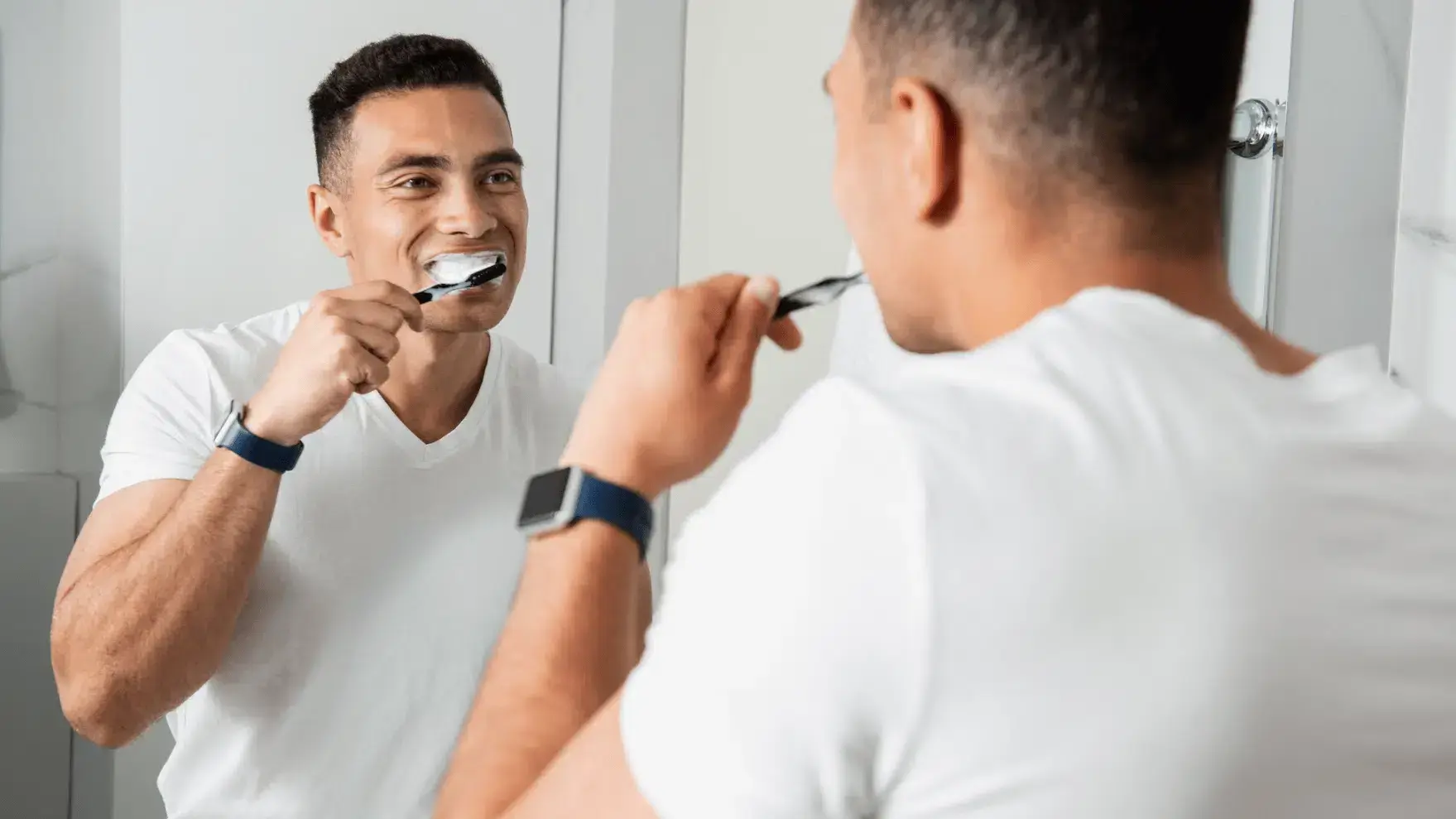
Continue brushing the teeth that were not directly affected by surgery with a soft-bristle toothbrush. Avoid aggressively brushing over the implant site until your dentist tells you it is safe.
After the initial recovery period, your dentist may recommend gentle saltwater rinses or a prescribed antimicrobial rinse. Use these exactly as instructed rather than repeatedly rinsing or swishing forcefully.
As healing progresses, your dental provider will explain how to clean around the implant and restoration safely. Proper dental implant aftercare remains important even after the initial surgical site has healed.
Days 2 and 3: What Should You Expect?
Swelling, tenderness, and mild bruising can continue during the first several days. These symptoms should generally begin improving rather than becoming progressively worse.
Continue eating softer foods and avoid putting unnecessary pressure on the treatment area. Follow your medication instructions and maintain gentle oral hygiene around the surrounding teeth.
If your dentist has given you specific instructions about rinsing, brushing, or cleaning the implant site, those instructions take priority over general recommendations.
When Can You Return to Normal Activities?
Your dental implant recovery timeline depends on the complexity of the procedure and your individual healing process.
Light daily activities may be comfortable relatively soon, but strenuous exercise can increase blood pressure and potentially contribute to bleeding or swelling during the early recovery period.
For that reason, avoid heavy lifting and intense workouts until your dentist or oral surgery provider says you can safely resume them.
You should also avoid smoking or using tobacco during healing. Tobacco use can interfere with healthy tissue healing and may negatively affect implant outcomes.
What Symptoms Are Normal After Implant Surgery?
Some discomfort is expected after implant placement. Common short-term symptoms may include:
- Mild to moderate tenderness
- Swelling around the treatment area
- Minor bruising
- Small amounts of bleeding or oozing
- Temporary sensitivity
- Difficulty chewing normally
These symptoms should gradually improve as healing progresses.
When Should You Contact Your Dentist?
Contact your dental provider if you experience symptoms that are severe, worsening, or different from what you were told to expect.
Call your dentist if you develop:
- Heavy or persistent bleeding
- Increasing pain that does not improve as expected
- Swelling that continues to worsen
- Fever or chills
- Pus or unusual drainage
- Significant difficulty swallowing or breathing
- A loose implant or component
- Other symptoms that concern you
Do not wait for your next scheduled appointment if something feels seriously wrong. Your dentist can determine whether you need an examination or additional treatment.
Why Follow-Up Appointments Matter
Dental implant healing takes much longer than the first few days of recovery. The implant needs time to integrate with the surrounding jawbone through a process called osseointegration.
Follow-up appointments allow your dentist to monitor the surgical site, evaluate gum and bone healing, check the stability of the implant, and determine when the next stage of treatment is appropriate.
Patients seeking dental implants in Henderson should understand that successful implant treatment involves more than the surgical appointment. Ongoing professional monitoring and good oral hygiene are important parts of maintaining the result.
Depending on the complexity of your case, your treatment may involve your general dentist, an implant specialist, or an oral surgeon in Henderson. The appropriate provider depends on your individual treatment needs.
How Do You Maintain Dental Implants Long-Term?
Once your implant has healed and your final restoration has been placed, caring for it becomes part of your regular oral hygiene routine.
Brush twice a day with a soft-bristle toothbrush and clean between your teeth daily. Your dentist may recommend floss, interdental brushes, water flossers, or other tools depending on your restoration and gum health.
Regular dental examinations and professional cleanings are also important. Your dental team can monitor the gums surrounding the implant, evaluate the restoration, and identify potential problems early.
Remember, dental implants cannot develop cavities like natural teeth, but the surrounding gum and bone can still be affected by plaque and inflammation. Good implant maintenance is therefore essential for long-term oral health.
Protect Your Implant With the Right Aftercare
Taking care of your mouth after implant surgery does not have to be complicated. Protect the surgical site, follow your medication and cleaning instructions, choose softer foods during the early recovery period, avoid tobacco and strenuous activity as directed, and attend every follow-up appointment.
If you are considering dental implants or need guidance after implant placement, the team at Ascend Dental Studio can evaluate your oral health and help you understand the appropriate next steps. Contact Ascend Dental Studio to schedule a consultation and discuss your dental implant needs.
Frequently Asked Questions
How long does it take to recover from dental implant surgery?
Initial discomfort and swelling generally improve over the first several days, but complete healing and integration of the implant take much longer. Your dentist will monitor your progress and tell you when the implant is ready for the next stage of treatment.
Can I brush my teeth after getting a dental implant?
Yes, but you should be gentle around the surgical area. Continue cleaning the other teeth and follow your dentist’s instructions about when and how to brush directly around the implant site.
How long should I eat soft foods after implant surgery?
The appropriate timeframe varies depending on your procedure and healing. Start with soft foods and gradually return to your normal diet according to your dentist’s instructions.
Is swelling normal after dental implant surgery?
Yes. Some swelling is common after implant surgery. It should gradually improve. Contact your dentist if swelling becomes increasingly severe or is accompanied by other concerning symptoms.
Can I smoke after getting dental implants?
Smoking is best avoided during healing because tobacco can interfere with tissue healing and may compromise implant outcomes. Ask your dentist when it is safe to resume, although avoiding tobacco altogether provides broader oral health benefits.