8975 S. Pecos Rd. #5A Henderson, NV 89074


By Ascend Dental Studio | September 7, 2026
If you’re considering dental implants, one question probably tops your list: how long will they actually last? This guide is your complete longevity resource for Henderson patients exploring implants. At Ascend Dental Studio, Dr. Timothy Luong helps patients understand exactly what goes into making dental implants last a lifetime. The answers may surprise you — and inspire you to protect your smile for decades to come.
How Long Do Dental Implants Last in Henderson?
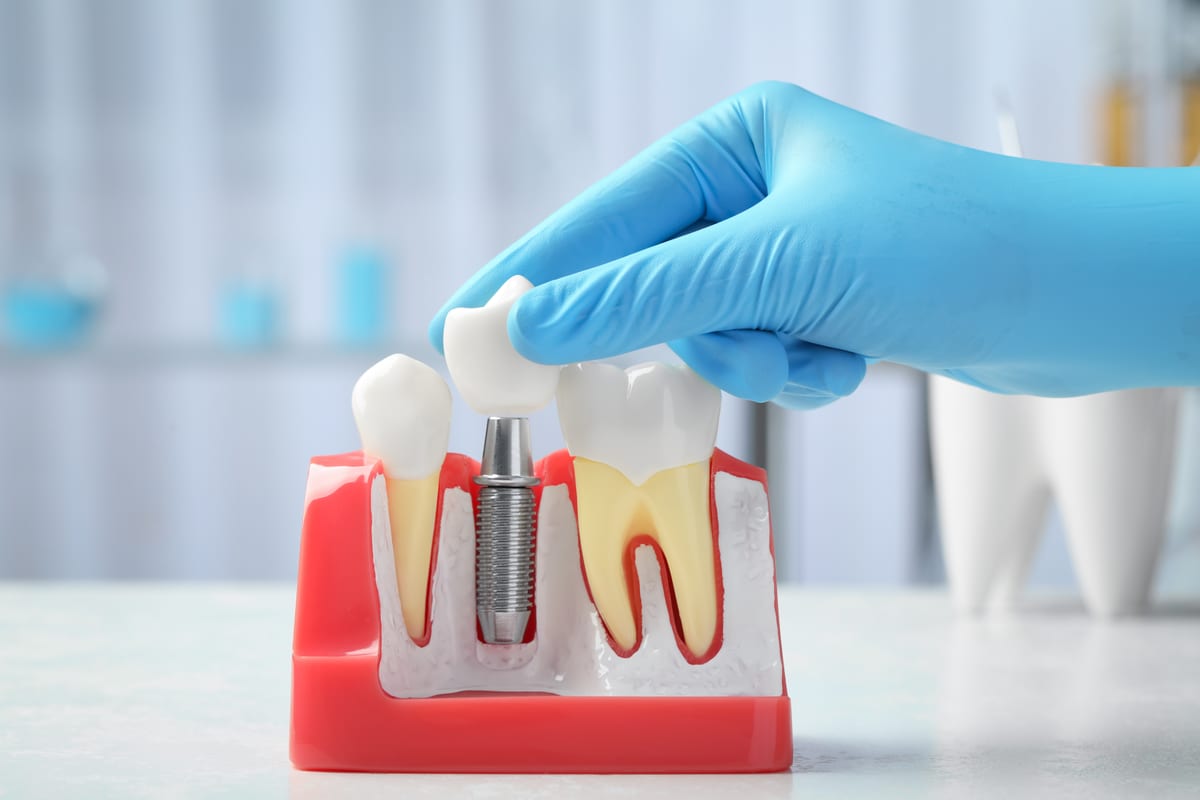
Dental implants are the gold standard for replacing missing teeth. With proper care, they can last 20, 30, or even 40+ years. Many patients keep their implants for life. The titanium post that fuses with your jawbone is remarkably durable. However, the crown attached on top typically lasts 10–15 years before it may need replacement.
Research consistently shows that implants have a 95–98% success rate at the 10-year mark. Long-term studies track patients well beyond 20 years with strong outcomes. Henderson’s dry desert climate does not negatively affect implant longevity — your oral environment matters far more than local weather. Understanding what drives longevity helps you make smarter choices from day one.
Key Factors That Shorten Implant Lifespan
Not every implant lasts a lifetime. Several risk factors can dramatically shorten how long your implant stays healthy and functional. Knowing these risks helps you take early action to protect your investment.
The most common threats to implant longevity include:
- Uncontrolled gum disease — Bacteria attack the tissue and bone around the implant post
- Smoking and tobacco use — Reduces blood flow and slows healing after placement
- Unmanaged diabetes — Impairs bone integration and increases infection risk
- Teeth grinding (bruxism) — Places excessive force on the implant crown and post
- Poor oral hygiene — Allows plaque buildup that triggers peri-implantitis, an implant-threatening infection
- Skipping routine dental visits — Misses early warning signs of implant stress or bone loss
Peri-implantitis is one of the leading causes of implant failure. It closely resembles gum disease and progresses silently. Early detection through regular checkups is your best defense. Dr. Luong screens for peri-implantitis at every preventive visit.
Bone loss around the implant is another silent threat. Without adequate bone support, the implant becomes unstable over time. This is why bone health before and after placement is critical. Patients who experienced severe bone loss before getting implants may need bone grafting to ensure long-term success.
What Extends Dental Implant Longevity — The Henderson Patient’s Guide
The good news is that you have enormous control over how long your implants last. Making smart daily choices dramatically extends implant lifespan. Here is what the evidence and Dr. Luong’s clinical experience consistently recommend.
Follow these proven habits to protect your implants for the long term:
- Brush twice daily with a soft-bristled toothbrush around the implant crown and gumline
- Floss or use a water flosser daily to remove debris from around the implant base
- Attend biannual cleanings — professional cleanings remove hardened calculus that home care misses
- Wear a night guard if you grind your teeth during sleep
- Quit smoking — even stopping after implant placement improves long-term outcomes
- Manage systemic health conditions such as diabetes through your primary care provider
- Avoid chewing ice, hard candies, or very hard foods that stress the crown
Consistent Preventive Dental Care Henderson is truly the backbone of implant longevity. Prevention costs far less than implant repair or replacement. At Ascend Dental Studio, we build a personalized maintenance plan around your implants. That plan keeps your smile healthy for decades.
Diet also plays a meaningful role. A balanced diet rich in calcium and vitamin D supports jawbone density. Strong bone keeps your implant firmly anchored over time. Henderson patients who prioritize bone health enjoy better long-term implant stability than those who neglect it.
The Role of Bone Health and Adjacent Teeth in Implant Success
Your jawbone is the foundation that holds your implant in place. Bone loss — caused by gum disease, tooth loss, or aging — weakens that foundation over time. Before placing an implant, Dr. Luong evaluates your bone density carefully. Patients with insufficient bone may require a graft before or during implant placement.
Adjacent natural teeth also influence implant health. Decay or infection in neighboring teeth can spread and compromise the implant site. Addressing problems like Root Canal Therapy Henderson before or alongside implant placement protects your entire smile. Treating the whole mouth — not just the implant site — is the Ascend Dental Studio philosophy.
Bone stimulation is one of the most underappreciated benefits of implants. Unlike dentures or bridges, implants transmit chewing forces directly into the jawbone. This stimulation prevents the bone loss that naturally follows tooth removal. Preserving bone structure long-term is one reason implants outperform every other tooth replacement option.
What to Expect During Your Implant Longevity Checkup at Ascend Dental Studio
Regular implant monitoring is non-negotiable for long-term success. Dr. Luong conducts thorough implant checkups at every routine appointment. These visits catch problems early — before they escalate into costly complications. Here is what happens during a typical implant longevity checkup.
During each visit, our team evaluates:
- Stability of the implant post using clinical probing and digital X-rays
- Condition of the surrounding bone with updated radiographs
- Health of gum tissue around the implant crown and collar
- Integrity of the crown, abutment, and connection points
- Signs of grinding wear or bite pressure imbalances
Early intervention saves implants. A loose abutment screw caught early is a simple fix. Left unaddressed, it can damage the implant post itself. The same applies to early-stage peri-implantitis — treated promptly, most cases resolve without major intervention. That is why showing up for every checkup matters.
Conclusion: Your Implants Can Last a Lifetime in Henderson
Dental implants are one of dentistry’s most remarkable achievements. They look, feel, and function like natural teeth — and with proper care, they can truly last a lifetime. The key lies in daily hygiene, routine professional care, and addressing health factors that put implants at risk. Henderson patients who commit to a proactive maintenance approach enjoy outstanding long-term outcomes. At Ascend Dental Studio, Dr. Timothy Luong and our team are dedicated to helping you protect your smile investment for decades. Book Now to schedule your appointment with our team.
Frequently Asked Questions
How long do dental implants realistically last?
With excellent oral hygiene and regular professional care, dental implants can last 20 to 40+ years — often a lifetime. The titanium post is highly durable, though the crown on top may need replacement after 10–15 years depending on wear.
What is the most common reason dental implants fail?
Peri-implantitis — an infection of the gum and bone around the implant — is one of the leading causes of implant failure. Poor oral hygiene, smoking, and uncontrolled diabetes all increase the risk of this condition significantly.
Can teeth grinding damage dental implants?
Yes. Bruxism places excessive pressure on the implant crown and post over time. Dr. Luong often recommends a custom night guard for patients who grind their teeth. This simple device protects the implant and extends its functional life.
Do I need special tools to clean around my implants?
Standard brushing and flossing work well for most implant patients. A water flosser or interdental brush can make cleaning around the implant base easier and more effective. Our hygiene team will recommend the best tools for your specific implant placement.
How often should I visit the dentist after getting an implant?
Most implant patients should visit every six months for professional cleanings and monitoring. Some patients with higher risk factors — such as a history of gum disease — may benefit from more frequent visits. Dr. Luong will create a personalized schedule based on your oral health needs.