8975 S. Pecos Rd. #5A Henderson, NV 89074


By Ascend Dental Studio | October 26, 2026
Crooked teeth or a misaligned bite can affect your confidence, but concerns about discomfort may make you hesitate to straighten your smile. Does Invisalign hurt, and how difficult is the first week?
At Ascend Dental Studio, Dr. Luong helps patients in Henderson explore clear aligner treatment through digital scanning and careful treatment planning. Understanding the adjustment period can help you begin with confidence.
Does Invisalign Hurt When You First Start?
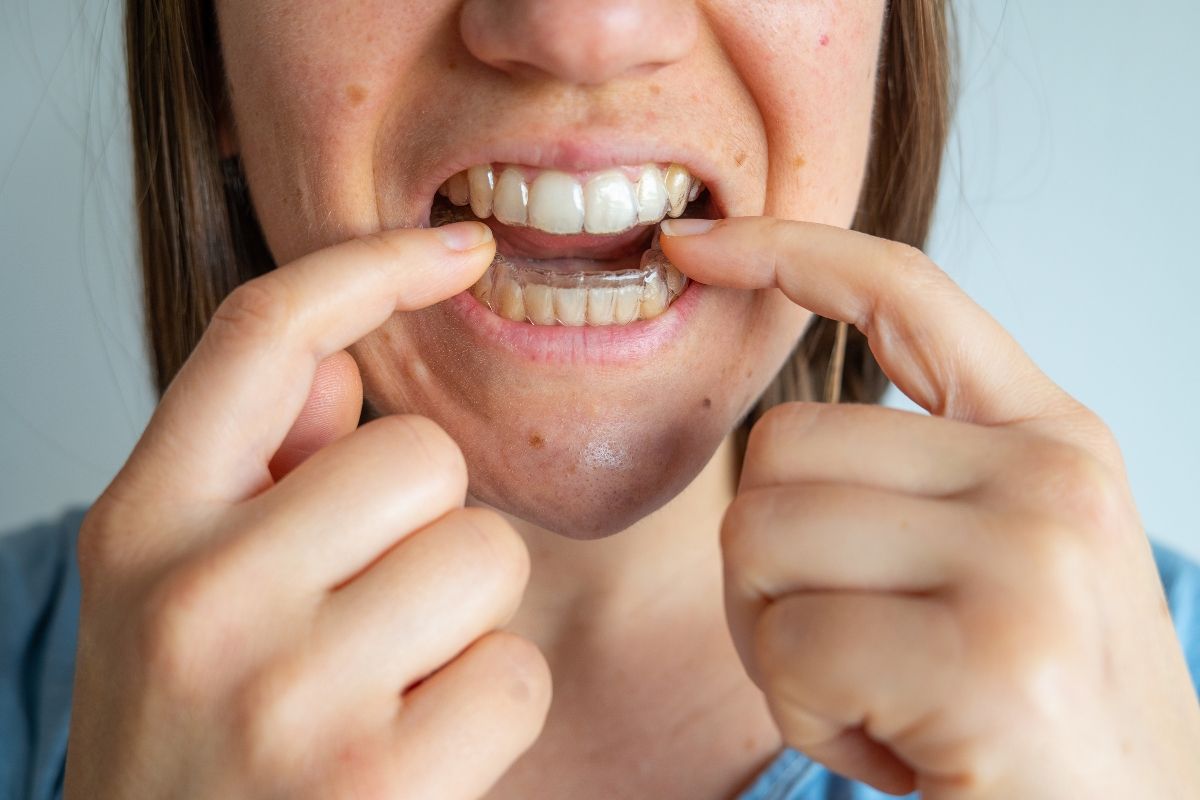
Invisalign usually causes mild pressure or soreness, not severe pain. This discomfort happens because the aligners apply controlled force to gradually reposition your teeth.
You may notice:
- Tightness around certain teeth.
- Tenderness when biting or chewing.
- Mild gum or cheek irritation.
- Pressure when removing or inserting trays.
These sensations are generally temporary. Research suggests discomfort often peaks during the first 24 hours and decreases throughout the week.
Why Do Clear Aligners Cause Discomfort?
Clear aligner treatment gradually moves teeth through a planned sequence. Each tray applies pressure that encourages changes in the tissues and bone supporting your teeth.
The discomfort usually comes from three factors:
- Tooth movement: Pressure temporarily increases sensitivity around the teeth.
- New appliances: Your tongue, lips, and cheeks need time to adjust.
- Aligner attachments: Small, tooth-colored attachments may feel unfamiliar.
Mild pressure is expected. However, sharp pain, significant swelling, or worsening discomfort requires professional evaluation.
What to Expect During Your First Week of Invisalign Treatment
Your first seven days involve adjusting to new sensations and developing consistent habits.
Day 1: Tightness and Unfamiliar Pressure
Your first trays may feel unusually snug. Some teeth might become sensitive, particularly when chewing.
Speaking may also feel different as your tongue adjusts to the aligners.
Choose softer meals and follow your prescribed wearing schedule.
Days 2–3: Sensitivity May Be More Noticeable
Tooth tenderness may become more noticeable during the first 48 hours. Removing the trays may feel awkward at first.
Continue wearing them consistently rather than taking extended breaks. Most patients gradually become comfortable with insertion and removal.
Days 4–5: Your Mouth Begins Adjusting
By this stage, the pressure is often less noticeable.
You may find it easier to speak, eat, and maintain your oral hygiene routine.
However, discomfort varies between patients. Persistent irritation should not be ignored.
Days 6–7: Greater Comfort and Confidence
By the end of the first week, many patients experience little discomfort.
Your teeth may still feel slightly sensitive, but wearing the trays should become more familiar.
Remember that each new aligner may cause temporary tightness as treatment progresses.
How Can You Reduce Clear Aligner Discomfort?
Simple adjustments can make the first week more manageable.
1. Choose Soft Foods
Eat scrambled eggs, yogurt, oatmeal, pasta, or cooked vegetables when chewing feels uncomfortable.
2. Maintain Consistent Wear
Most patients need approximately 20–22 hours of daily wear, depending on their prescribed plan. Inconsistent use can interfere with tooth movement.
3. Try a Cold Compress
Apply a cold compress to the outside of your cheek for short intervals to ease temporary soreness.
4. Maintain Proper Oral Hygiene
Brush and floss before reinserting your trays. Clean aligners as instructed to reduce plaque accumulation and irritation.
5. Discuss Pain Relief
Ask your dentist whether an over-the-counter pain reliever is appropriate for your medical history.
Avoid modifying or trimming your trays without professional guidance.
When Should You Contact Your Dental Provider?
Mild soreness is expected, but certain symptoms require attention.
Contact your dentist if you experience:
- Severe or increasing tooth pain.
- Bleeding or persistent mouth sores.
- Aligners that do not fit properly.
- Cracked trays or sharp edges.
- Swelling or difficulty biting normally.
If you are considering invisalign in Henderson, understanding these warning signs can help you approach treatment confidently.
You can also visit our dental office for an assessment if discomfort interferes with daily activities.
How Does Digital Planning Support a Comfortable Treatment Experience?
A well-planned treatment starts with an evaluation of your tooth alignment, bite, and oral health.
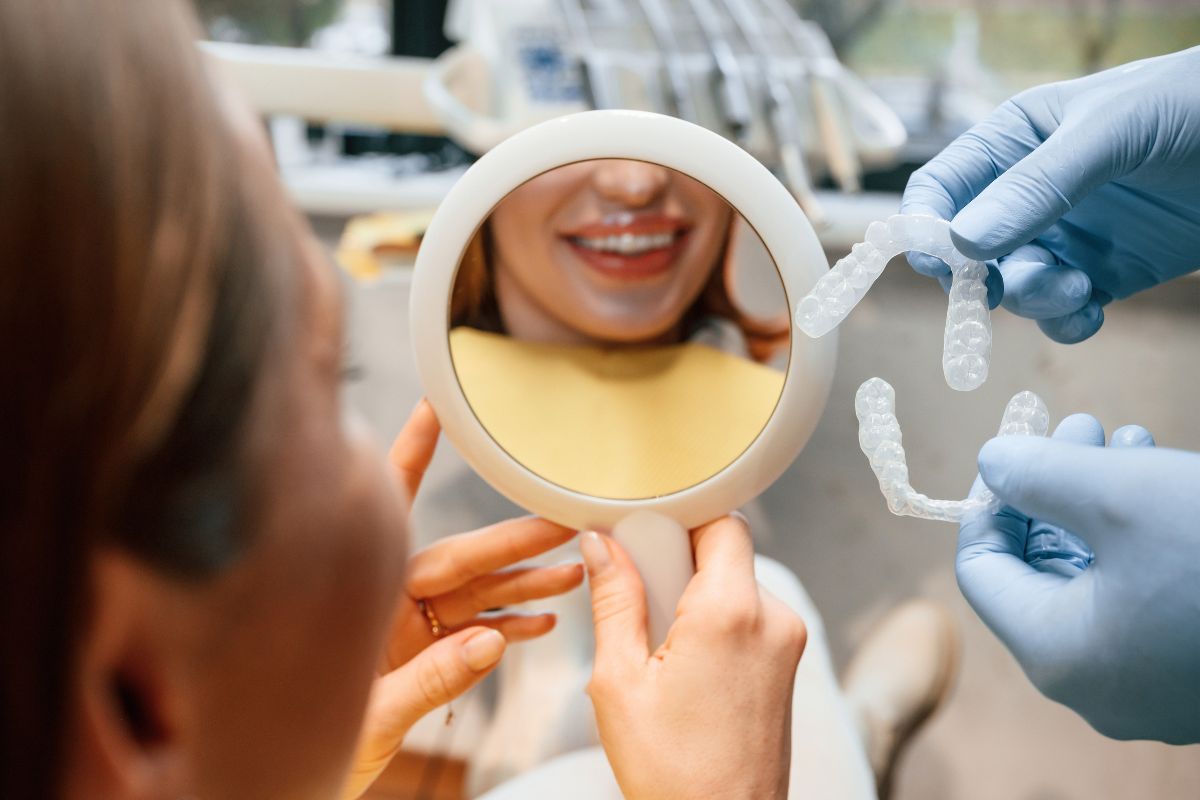
For Henderson patients considering Invisalign, digital scanning helps create a three-dimensional model of their teeth. This allows the proposed movements to be mapped before treatment begins.
During your consultation, your dentist can explain the expected treatment duration, aligner changes, and ways to manage temporary sensitivity.
Although digital planning cannot eliminate every uncomfortable sensation, it supports accurate treatment planning and progress monitoring.
Your First Week Is Just the Beginning of a More Confident Smile
A few days of temporary sensitivity shouldn’t keep you from exploring a straighter, healthier-looking smile. With appropriate planning, consistent aligner wear, and professional monitoring, the adjustment period can become a manageable part of your journey.
If you have been searching for a dentist near me because crooked teeth or bite problems affect your confidence, take the next step toward understanding your options.
Ready to explore Invisalign in Henderson? Contact our team to book an appointment and discover how digitally planned clear aligner treatment can help you move toward a naturally aligned smile.
Frequently Asked Questions
1. How Long Does Invisalign Pain Last?
Most patients notice discomfort during the first few days. Sensitivity generally decreases as the mouth adjusts. If soreness continues beyond a week or becomes severe, arrange an evaluation to check your aligner fit.
2. Does Invisalign Hurt More Than Traditional Braces?
Clear aligners generally cause less irritation from brackets and wires. Research suggests they may cause less pain during certain stages of treatment. However, individual experiences vary, and both options can cause temporary soreness.
3. Can I Sleep Comfortably With Clear Aligners?
Yes. Most patients gradually become comfortable sleeping with their trays. Mild pressure may occur initially, but nighttime wear is essential for maintaining the prescribed schedule. Contact our provider if discomfort repeatedly interrupts sleep.
4. Why Do My Teeth Hurt When Removing Aligners?
Removing trays temporarily changes the pressure on sensitive teeth. This may cause tenderness, particularly during the first few days. Use the recommended removal technique, and ask for help if removal causes sharp pain.
5. Will Every New Aligner Cause Pain?
Each new tray may produce temporary pressure because it introduces another stage of tooth movement. The intensity varies between individuals. Regular monitoring helps identify fitting problems and keeps treatment progressing appropriately.
6. Can Clear Aligners Correct Severely Crooked Teeth?
Clear aligners can correct many crowding and spacing problems, along with certain bite issues. However, complex misalignment may require additional orthodontic techniques. A professional assessment can determine whether this approach suits your needs.