8975 S. Pecos Rd. #5A Henderson, NV 89074


By Ascend Dental Studio | August 3, 2026
When a tooth is severely damaged, infected, or causing persistent pain, your dentist may recommend either root canal treatment or extraction. Knowing the difference between these procedures can help you understand your options and make a confident decision about your dental care.
For patients considering root canal treatment, the main question is whether the natural tooth can be predictably restored and maintained. A root canal removes infection from inside the tooth while preserving the natural tooth. An extraction removes the tooth when it cannot be restored reliably or when removing it provides a better long-term outcome.

At Ascend Dental Studio, Dr. Timothy Luong evaluates the condition of each tooth before recommending treatment. The right choice depends on the extent of damage, the condition of the roots and surrounding tissues, and what will provide the best long-term result for your oral health. Schedule an appointment with Dr. Luong to have your tooth evaluated and learn which treatment option is right for you.
Root Canal vs. Extraction: What Is the Difference?
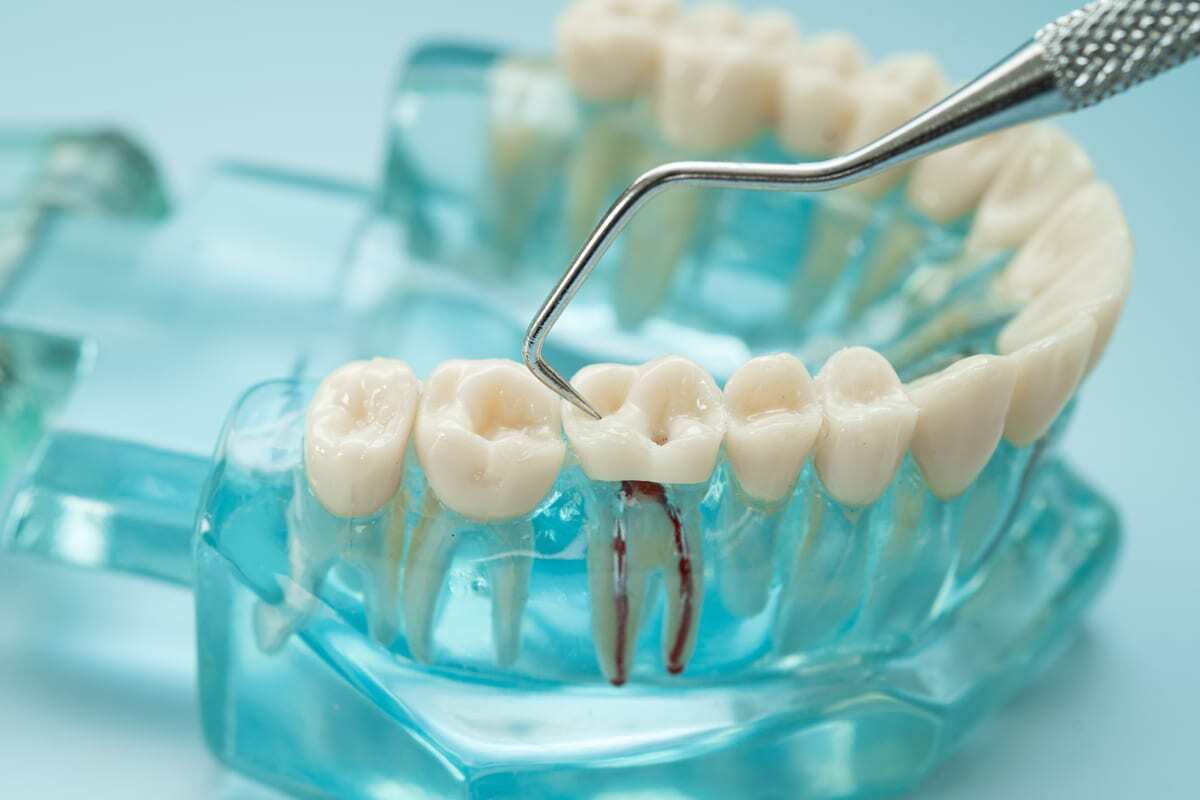
A root canal therapy in Henderson treats infection or inflammation inside a tooth while keeping the natural tooth in place. During treatment, the infected or damaged pulp is removed, the root canals are cleaned and sealed, and the tooth is restored to protect it.
An extraction removes the entire tooth. It may be recommended when a tooth is severely fractured, has insufficient remaining structure, or cannot be predictably restored.
In simple terms:
| Root Canal Treatment | Tooth Extraction |
|---|---|
| Preserves the natural tooth | Removes the natural tooth |
| Removes infected or damaged pulp | Removes the entire tooth |
| Usually followed by a permanent restoration | May require tooth replacement |
| Maintains the natural tooth and root | Leaves an extraction site that must heal |
| Appropriate when the tooth is restorable | Appropriate when the tooth cannot be predictably restored |
The important question is not simply whether you should have a root canal or an extraction. It is whether your tooth has a reasonable long-term prognosis.
Is a Root Canal Better Than an Extraction?
When a tooth can be predictably restored and has adequate support, preserving the natural tooth is generally preferred.
Root canal treatment may be an option when:
- The tooth has an infected or inflamed pulp
- Enough healthy tooth structure remains
- The roots and surrounding tissues provide adequate support
- The tooth can be properly restored after treatment
- The tooth has a reasonable long-term prognosis
Extraction may be recommended when:
- The tooth is fractured below the gumline
- Too little healthy tooth structure remains
- Severe bone or periodontal problems have compromised the tooth
- Previous root canal treatment has failed and retreatment is not predictable
- The tooth cannot be restored successfully
- Removing the tooth is part of a larger treatment plan
A dental examination and appropriate X-rays are necessary to determine whether a tooth can be saved.
What Factors Determine Whether a Tooth Can Be Saved?
Not every infected tooth needs to be extracted. The presence of an infection does not automatically mean that the tooth has to be removed.
During an evaluation, your dentist may assess:
- The extent of the infection
- The amount of remaining tooth structure
- Whether the tooth has a crack or fracture
- The condition of the roots
- The health of the surrounding bone and gums
- Previous root canal treatment
- Whether the tooth can support a restoration
- The expected long-term function of the tooth
For example, a tooth with an infected pulp but adequate remaining structure may be a good candidate for root canal therapy in Henderson. A tooth fractured below the gumline may not have enough structure remaining to support a reliable restoration.
This is why treatment should be based on the condition and prognosis of the individual tooth rather than a one-size-fits-all approach.
What Happens During Root Canal Treatment?
Root canal treatment removes the infected or inflamed pulp from inside the tooth.
The general process includes:
- Numbing the tooth and surrounding area
- Creating an opening in the tooth
- Removing the damaged or infected pulp
- Cleaning and disinfecting the root canals
- Filling and sealing the canals
- Restoring the tooth
- Placing a crown when additional protection is needed
The exact process and number of appointments depend on the tooth and the complexity of the treatment.
A tooth that has undergone root canal treatment may have less remaining structure than a healthy tooth, so the final restoration is an important part of protecting it.
What Happens During a Tooth Extraction?
During an extraction, the dentist carefully removes the affected tooth from its socket.
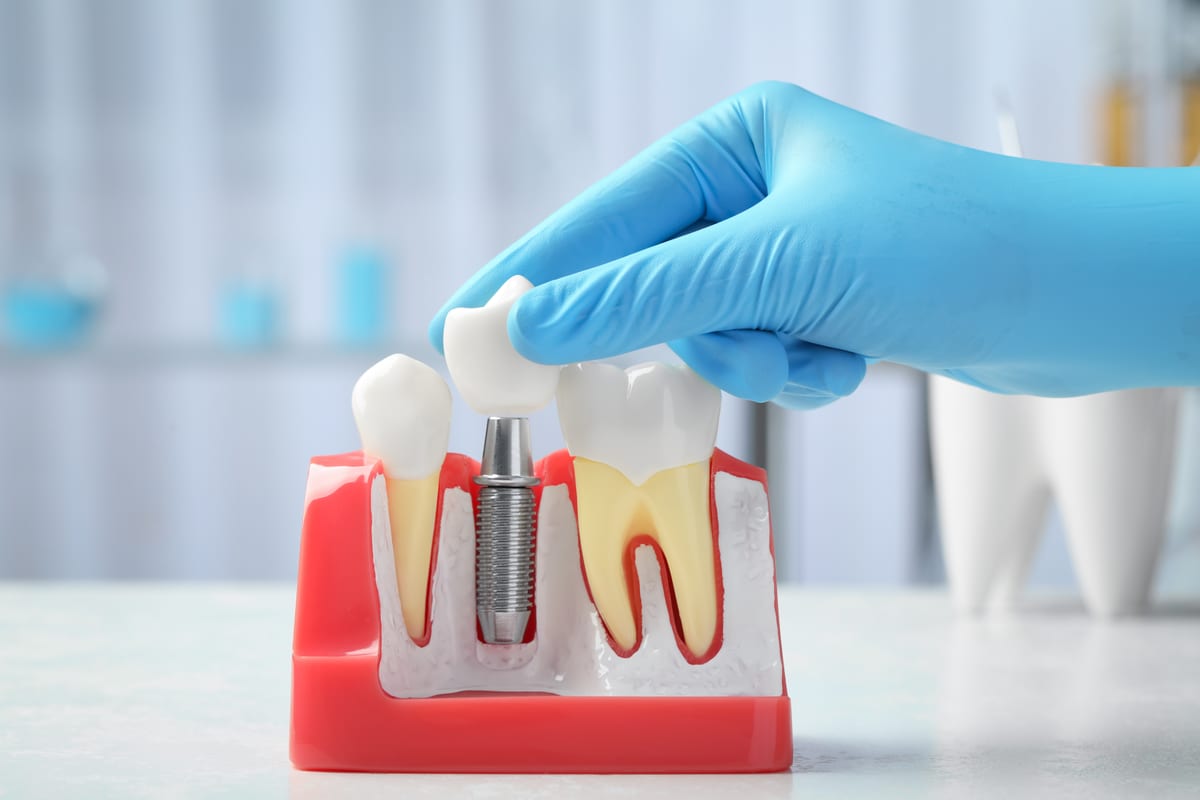
The area is then allowed to heal. Depending on the tooth and your treatment plan, your dentist may discuss replacing the missing tooth with a dental implant, bridge, partial denture, or another restoration.
Replacing an extracted tooth is not always completed immediately. The appropriate timing depends on the condition of the extraction site, bone availability, your overall oral health, and the type of replacement being considered.
Root Canal vs. Extraction: What Is the Better Long-Term Choice?
The better long-term option depends on the condition of your tooth.
A root canal preserves your natural tooth, allowing it to remain part of your bite and chewing function. It may also help you avoid the need for a separate tooth-replacement procedure.
An extraction removes a tooth that may no longer have a predictable prognosis. However, once the tooth is gone, you may need to consider how the missing tooth will affect your bite and whether it should be replaced.
After an extraction, the bone in the area can gradually remodel and resorb. Neighboring teeth may also move toward the open space.
This does not mean that extraction is always the wrong choice. When a tooth cannot be predictably restored, removing it may be the better way to protect your overall oral health.
What If the Tooth Already Had a Root Canal?
A tooth that has already undergone root canal treatment may sometimes require additional treatment. In some cases, retreatment can address the problem. In others, the tooth may have developed a fracture or another issue that makes it impossible to restore predictably.
Extraction can become the appropriate option when a previously treated tooth is no longer capable of functioning reliably.
One Ascend Dental Studio patient, Jacob, recently shared his experience after having an extraction with Dr. Luong for a tooth with an older root canal:
“I had an extraction done yesterday by Dr. Luong for a tooth with an old root canal that simply wasn’t holding up anymore. The entire procedure was incredibly quick and completely painless. He removed the tooth in a single pull, which I truly believe was the result of his thorough and careful prep work beforehand.”
Jacob also compared his experience with previous extractions and highlighted Dr. Luong’s approach. Read the full Google review here.
Jacob’s experience demonstrates an important part of the root canal vs. extraction decision. Sometimes a previously treated tooth reaches a point where maintaining it is no longer predictable. In those situations, extraction can become the first step toward replacing the tooth and restoring normal function.
What Is Recovery Like After a Root Canal?
Most patients can return to their normal activities relatively quickly after root canal treatment, although some tenderness around the treated tooth can occur.
You may experience temporary sensitivity or soreness, particularly when biting. Your dentist will provide specific instructions based on your treatment.
Protecting the tooth after treatment is also important. Avoiding excessive pressure on a tooth that has not yet received its final restoration can help reduce the risk of further damage.
What Is Recovery Like After an Extraction?
Extraction recovery varies depending on the tooth, the complexity of the procedure, and your individual healing. You may experience swelling, tenderness, or sensitivity around the extraction site during the first few days. Following your dentist’s aftercare instructions can help support proper healing and reduce the risk of complications.
The extraction site continues healing after the initial discomfort subsides, and complete healing can take longer than the first few days. Factors such as the type of extraction, your oral health, and whether additional treatment is planned can affect your overall recovery timeline.
How long does it take to heal after a tooth extraction?
The answer depends on the type of extraction and your individual healing. Learn what to expect during tooth extraction recovery, including the typical stages of healing and factors that can affect your recovery.
If the tooth is replaced with an implant, the overall treatment timeline will extend beyond the initial extraction because the site and implant need time to heal and integrate appropriately.
When Is Extraction Better Than a Root Canal?
A root canal is not always the best solution.
Extraction may be more appropriate when:
- The tooth is fractured below the gumline
- There is not enough healthy structure to support a restoration
- Severe periodontal disease has compromised the tooth
- A previous root canal has failed and cannot be predictably retreated
- The tooth has a poor long-term prognosis
- Removing the tooth is necessary as part of another treatment plan
The goal is not simply to preserve a tooth at all costs. The goal is to choose a treatment that provides a reasonable long-term outcome.
If a tooth cannot function reliably after treatment, extraction followed by appropriate tooth replacement may be a better option.
What Happens If You Do Not Replace an Extracted Tooth?
Not every extracted tooth needs to be replaced immediately, but leaving a missing tooth can have consequences.
Over time:
- Neighboring teeth may shift toward the open space
- The opposing tooth may move into the space
- Bone in the area may gradually resorb
- Chewing function may be affected
- Future tooth replacement can become more complicated
Depending on your situation, your dentist may recommend a dental implant, bridge, partial denture, or another solution.
The right approach depends on the location of the missing tooth, your bite, bone condition, overall oral health, and personal treatment goals.
Root Canal or Extraction: Which One Is Right for You?
There is no universal answer.
If your tooth has an infection but still has enough healthy structure and adequate support, root canal treatment in Henderson may allow you to preserve your natural tooth.
If the tooth is severely fractured, structurally compromised, or otherwise cannot be restored predictably, extraction may provide a better long-term result.
Your dentist should evaluate the tooth, explain the available options, and discuss what each treatment means for your future oral health.
Root Canal Treatment in Henderson, NV
Choosing between root canal treatment and extraction can feel overwhelming, particularly when you are dealing with pain or an infection. Understanding why each treatment is recommended can make the decision easier.
At Ascend Dental Studio, Dr. Timothy Luong evaluates your tooth and explains whether root canal treatment, extraction, or another restorative option is appropriate for your situation. The goal is to provide treatment based on the condition of your tooth and your long-term oral health needs.
If you have persistent tooth pain, swelling, a damaged tooth, or have been told that you may need a root canal or extraction, do not wait for the problem to worsen.
Schedule an Appointment with Ascend Dental Studio in Henderson, NV, to discuss your treatment options.
Frequently Asked Questions
Is a root canal better than an extraction?
A root canal may be the better option when the tooth can be predictably restored and has a reasonable long-term prognosis. Extraction may be better when the tooth is too damaged or compromised to restore successfully.
How do I know if my tooth can be saved with a root canal?
Your dentist will evaluate the tooth’s remaining structure, roots, surrounding bone, gums, and extent of infection. X-rays and a clinical examination help determine whether the tooth can be predictably restored.
Is a root canal more painful than an extraction?
Both procedures are performed with local anesthesia to keep you comfortable during treatment. Some soreness or sensitivity can occur afterward, but the type and duration of discomfort vary from patient to patient.
Can an infected tooth be saved with a root canal?
Yes, in many cases. An infected pulp does not automatically mean that a tooth needs to be extracted. If enough healthy tooth structure and supporting tissue remain, root canal treatment may be able to remove the infection while preserving the natural tooth.
When does a tooth need to be extracted instead of getting a root canal?
Extraction may be recommended when the tooth has a severe fracture, inadequate remaining structure, poor supporting tissues, or another condition that makes successful restoration unlikely.
What happens after a tooth is extracted?
The extraction site needs time to heal. Depending on your situation, your dentist may recommend replacing the missing tooth with a dental implant, bridge, partial denture, or another restoration.
Can a tooth that already had a root canal be extracted?
Yes. If a previously root canal-treated tooth develops a severe fracture, recurrent problem, or another condition that prevents predictable restoration, extraction may become the appropriate treatment.
How long can a root canal-treated tooth last?
A properly treated and restored tooth can remain functional for many years and, in some cases, decades. Its longevity depends on factors such as remaining tooth structure, restoration quality, oral hygiene, biting forces, and future dental problems.
Can root canal treatment be completed in one visit?
Some root canal procedures can be completed in one appointment, while others require multiple visits depending on the tooth and complexity of treatment. Your dentist can explain the expected treatment timeline after evaluating your tooth.