8975 S. Pecos Rd. #5A Henderson, NV 89074


By Ascend Dental Studio | September 24, 2026
A dental crown can suddenly crack, break, or fall off, leaving you wondering what to do next. Whether it happens while eating, brushing your teeth, or seemingly without warning, a damaged crown can expose the tooth underneath and lead to sensitivity, discomfort, or difficulty chewing. Knowing how to respond can protect the tooth until you can see a dentist.
If your dental crown has come loose, you may be wondering whether to put it back in place, save it, or wait a few days before seeking care. The right next step depends on why the crown came off and the condition of the underlying tooth.
At Ascend Dental Studio, guided by Dr. Timothy Luong, we help patients in Henderson address damaged, loose, and fallen dental crowns and determine whether the crown can be repaired or needs to be replaced. If your crown has fallen off and you need prompt dental care, (702) 608-0731 to schedule an evaluation. In this guide, we will explain what to do when a dental crown falls off, what to avoid, and when you should seek dental care.
Is a Broken or Fallen Crown a Dental Emergency?
A crown that falls off is not always a life-threatening emergency, but it can require urgent dental attention.
You should contact an emergency dentist in Henderson as soon as possible if:
- The tooth underneath is painful or extremely sensitive.
- The crown broke into pieces.
- You can see a large portion of the underlying tooth.
- The tooth feels sharp or fractured.
- You have swelling around the tooth.
- You are having difficulty biting or chewing.
- The crown fell out after an accident or impact.
- You are experiencing severe or worsening pain.
Even when there is little or no pain, leaving the tooth unprotected for an extended period is not ideal. The crown was placed to protect and restore the tooth, so losing that protection can expose the tooth to additional stress, bacteria, temperature changes, and chewing forces.
What Should You Do Immediately?
The first step is to stay calm and locate the crown.
If the crown is intact, place it in a clean container or small bag and bring it with you to the dental office. Do not attempt to permanently glue it back onto the tooth using household glue or other adhesives.
Household adhesives are not designed for use inside the mouth and can make professional treatment more difficult.
If the crown is still sitting loosely over the tooth, avoid chewing on that side. It may become dislodged while eating and could potentially be swallowed.
In case of a sensitive tooth, avoid extremely hot, cold, sweet, or acidic foods and beverages until you can receive professional dental care.
Can You Put the Crown Back Yourself?
Sometimes patients find that a crown fits over the tooth again. However, simply placing it back does not mean it is safe to permanently secure it yourself.
A professional evaluation is required for:
- Whether the crown itself is still intact
- Whether the tooth underneath has fractured
- Whether decay has developed beneath the crown
- Whether the crown still fits properly
- Whether the tooth needs additional treatment
- Whether the crown can be recemented or must be replaced
If the cap is placed incorrectly, it may interfere with your bite or trap food and bacteria around the tooth.
For that reason, temporary protection and professional evaluation are preferable to attempting a permanent DIY repair.
Why Did My Crown Fall Off?
Dental crowns can become loose or damaged for several reasons.
If your crown has been feeling loose or uncomfortable before it falls off, learn more about why a dental crown may feel loose or uncomfortable and what could be causing the problem.
Normal wear
Crowns experience repeated chewing forces every day. Over time, the materials can wear or develop fractures.
Decay beneath the crown
A crown does not make the underlying tooth immune to cavities. If decay develops around the edge of the crown, the restoration may lose its support.
Damage to the underlying tooth
A tooth that has previously received extensive dental work may be structurally compromised. A fracture underneath the crown can cause the restoration to loosen.
Teeth grinding
Clenching or grinding can place significant pressure on crowns, particularly during sleep.
Trauma
A fall, sports injury, automobile accident, or blow to the face can dislodge or fracture a crown.
What Will an Emergency Dentist Do?
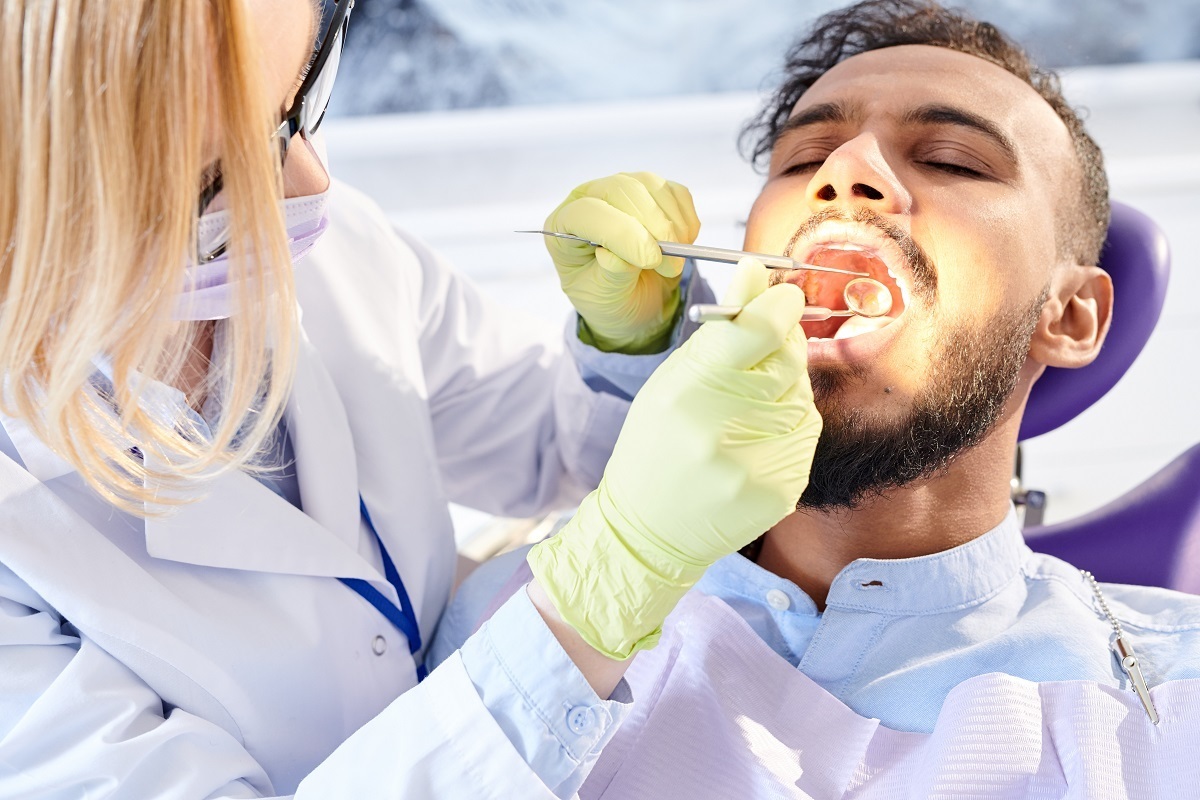
During an emergency dental visit, the dental practitioner will first examine the tooth and surrounding tissues.
Depending on the situation, dental X-rays may be recommended to evaluate the tooth below the crown and look for problems that are not visible during a visual examination.
Treatment can vary.
The crown may be recemented
If the crown is intact and the underlying tooth is healthy enough, the dentist may be able to clean the area and recement the existing crown.
The crown may need repair or replacement
If the crown is cracked, fractured, worn, or no longer fits properly, a replacement may be recommended.
The tooth may need additional treatment
If the underlying tooth has decay, infection, or a significant fracture, simply replacing the crown may not solve the problem.
Additional treatment could include a new restoration, root canal treatment, or another procedure depending on the extent of damage.
What If the Crown Broke and the Tooth Hurts?
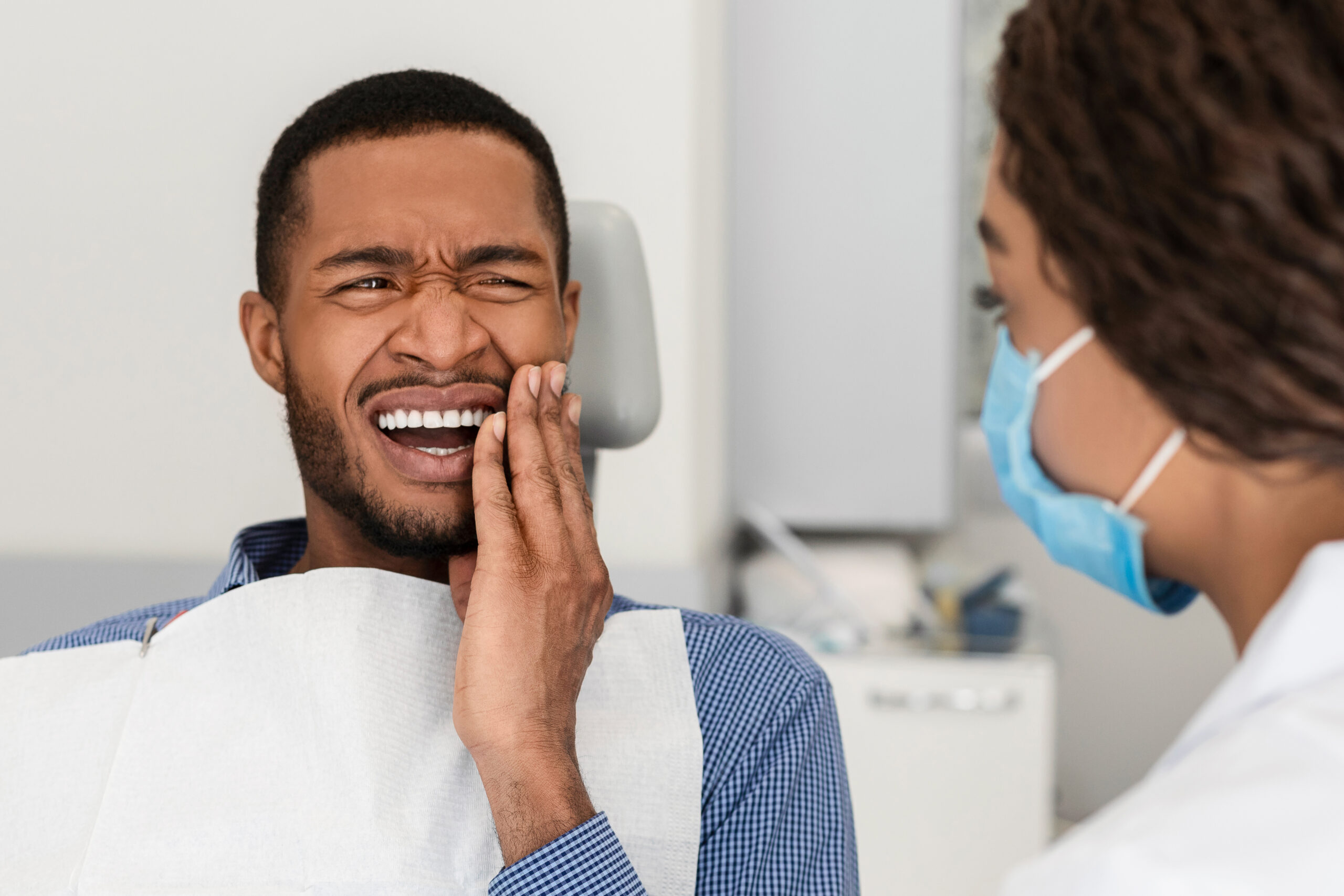
Pain after a crown breaks deserves prompt attention.
Pain can occur because the underlying tooth has become exposed to temperature and pressure. However, significant pain can also indicate that the tooth itself has been damaged.
A crown can hide a weakened tooth for years, so an accident that breaks the crown may reveal a deeper structural problem.
Do not assume that replacing the crown alone will resolve the issue.
If you have severe pain, swelling, a bad taste, fever, or increasing sensitivity, contact an emergency dentist in Henderson promptly.
What Should You Avoid?
Until you are evaluated, avoid:
- Chewing hard foods on the affected side
- Biting directly on the exposed tooth
- Using household glue
- Filing down the tooth yourself
- Repeatedly removing and replacing a loose crown
- Ignoring severe pain because the crown is no longer hurting
- Waiting indefinitely for the crown to become painful
The goal is to protect the tooth until it can be professionally evaluated.
When Should You Seek Emergency Dental Care?
A fallen crown accompanied by severe pain, facial swelling, significant bleeding, or trauma should be treated as an urgent dental concern.
If swelling extends toward your eye, neck, or throat, or you have difficulty breathing or swallowing, seek emergency medical care immediately. Serious facial injuries may also require hospital evaluation rather than treatment exclusively in a dental office.
Protect Your Tooth After a Crown Falls Out
A broken or missing crown can happen unexpectedly, but what you do next matters.
Find the crown, protect the exposed tooth, avoid unnecessary pressure, and contact a dental professional as soon as possible. Prompt evaluation allows the dentist to determine whether the existing crown can be saved and whether the underlying tooth requires additional treatment.
If you are looking for an emergency dentist in Henderson after a crown falls off or breaks, call us immediately.
If you live near Henderson, including the areas around Green Valley, Whitney Ranch, MacDonald Ranch, Seven Hills, and Anthem, visit our dental practice at 8975 S. Pecos Rd. #5A, Henderson, NV 89074 for prompt dental evaluation.
FAQs
1. What should I do if my dental crown falls off?
If your dental crown falls off, locate and save the crown, avoid chewing on the affected side, and contact your dentist for an evaluation. Do not use household glue to reattach it.
2. Can I put my dental crown back on myself?
If the crown fits over the tooth, you may be able to place it gently over the tooth temporarily, but you should not permanently cement it yourself. A dentist should check the crown and underlying tooth to determine whether it can be safely recemented.
3. Is a dental crown falling off an emergency?
A fallen crown is not always a dental emergency, but it should be evaluated promptly. Severe pain, swelling, significant bleeding, trauma, or a damaged underlying tooth may require urgent dental care.
4. Can a dentist recement a crown that fell off?
Yes. If the crown is intact and the underlying tooth is healthy and structurally sound, a dentist may be able to clean the area and recement the existing crown. If the crown or tooth is damaged, replacement or additional treatment may be necessary.
5. How long can I leave a crown off my tooth?
You should avoid leaving a crown off for an extended period. The exposed tooth may become sensitive and more vulnerable to damage, bacteria, and chewing forces. Contact your dentist as soon as possible for guidance.
6. What should I do if my dental crown breaks but stays on the tooth?
Avoid chewing on the affected side and do not try to remove, repair, or glue the broken crown yourself. Contact your dentist so they can determine whether the crown can be repaired or needs to be replaced.