8975 S. Pecos Rd. #5A Henderson, NV 89074


Why Your Dental Crown May Not Last 15 Years

By Ascend Dental Studio | July 27, 2026
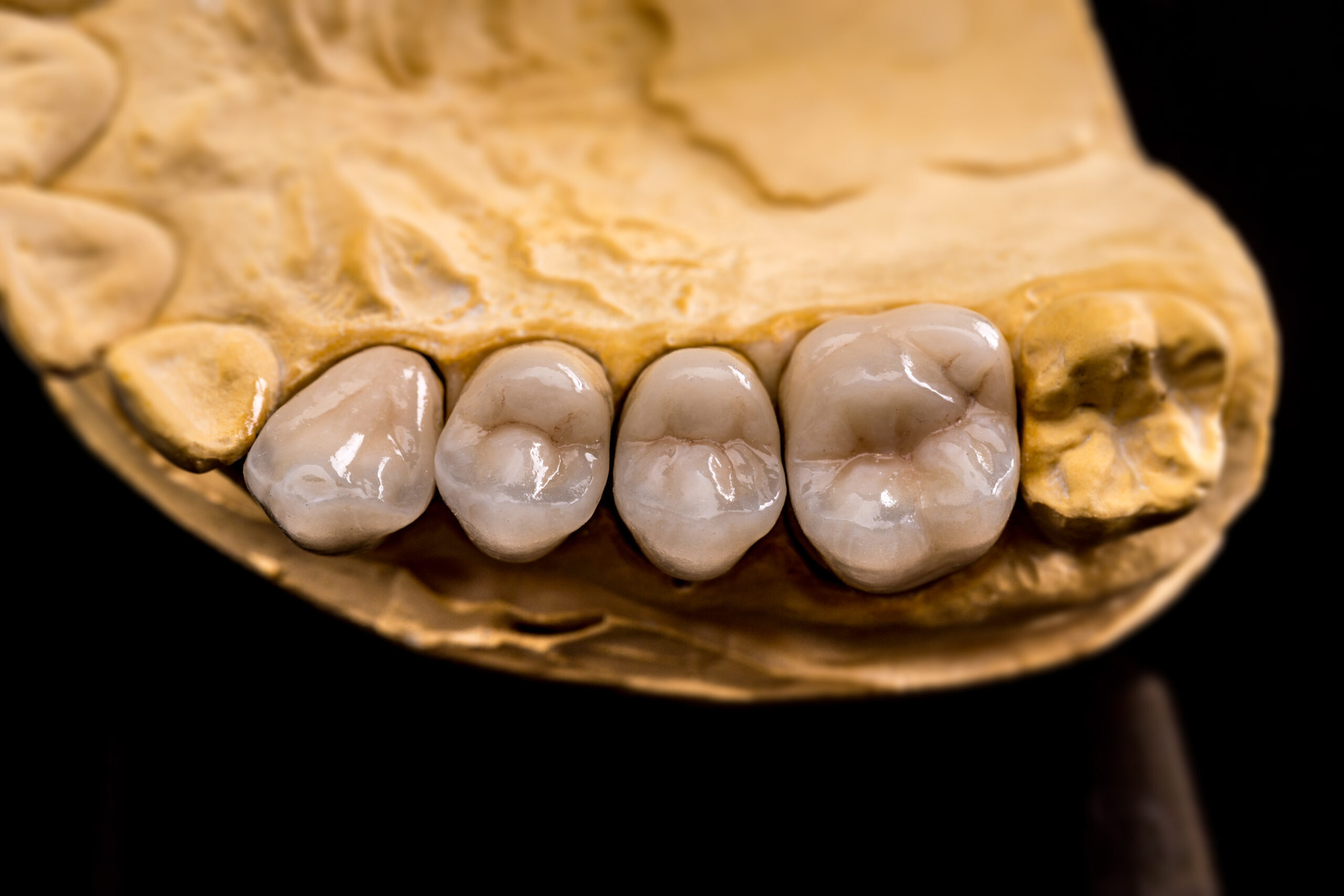
Dental crowns are one of the most dependable ways to restore damaged teeth. They protect weakened teeth, restore function, and improve your smile. While most crowns are designed to last 10 to 15 years, and some can last even longer, not every restoration reaches that milestone.
If your dental crown fails sooner than expected, there is usually an underlying reason. Understanding what affects the lifespan of a crown can help you protect your investment and avoid more extensive dental treatment in the future.
At Ascend Dental Studio, Dr. Timothy Luong helps patients in Henderson maintain long-lasting dental restorations through personalized care, quality materials, and preventive dentistry. If you’re considering a dental crown or have concerns about an existing one, book your appointment online today and let our team help you protect your smile for years to come.
How Long Should a Dental Crown Last?
A dental crown’s lifespan depends on several factors, including the material used, how well it was placed, your oral hygiene habits, and the amount of pressure it experiences every day.
Most porcelain crowns last between 10 and 15 years with proper care. Gold and other metal crowns often last 20 years or longer, while zirconia crowns are known for their exceptional durability when properly maintained.
The quality of the initial placement also plays a significant role. A well-fitting crown creates a tight seal around the tooth, helping keep bacteria out and reducing the risk of decay underneath the restoration.
Lifestyle factors matter, too. Henderson’s dry desert climate can contribute to dry mouth, which reduces saliva production. Since saliva naturally helps wash away bacteria and neutralize acids, a lack of saliva may increase plaque buildup around the edges of a crown, making the underlying tooth more vulnerable to decay.
Why Dental Crowns Don’t Always Last 15 Years
Although dental crowns are built to withstand years of daily use, certain habits and oral health conditions can significantly shorten their lifespan.
Teeth Grinding and Clenching
Bruxism, or teeth grinding, is one of the leading causes of premature crown failure. Constant grinding places tremendous pressure on crowns, especially while sleeping. Over time, that repeated force can crack, chip, or loosen the restoration.
Many patients don’t realize they grind their teeth until signs of wear begin to appear.
Chewing Hard Foods
Chewing ice, hard candy, popcorn kernels, or other hard objects can place excessive stress on your crown. While crowns are strong, they are not indestructible. Even natural teeth can fracture under enough force.
Poor Oral Hygiene
A dental crown cannot get a cavity, but the tooth beneath it can.
If plaque accumulates around the crown margin, bacteria can seep underneath the restoration and cause decay. When that happens, the crown often needs to be removed so the tooth can be treated before a new restoration is placed.
Skipping Routine Dental Visits
Small problems rarely cause symptoms at first. Routine dental examinations allow your dentist to detect worn crown margins, tiny fractures, or early decay before they become larger issues.
Regular preventive visits often help patients avoid unexpected crown replacements.
Using Your Teeth as Tools
Opening packages, biting fingernails, or holding objects with your teeth may seem harmless, but these habits place unnecessary stress on both natural teeth and dental restorations.
Signs Your Dental Crown May Be Failing
Dental crowns typically show warning signs before they fail. Recognizing these symptoms early can help prevent more extensive treatment.
Watch for signs such as:
- Increased sensitivity to hot, cold, or sweet foods
- Pain or discomfort when biting
- Visible cracks, chips, or rough edges
- A crown that feels loose or moves slightly
- Dark lines appearing near the gumline
- Swollen or tender gums around the crowned tooth
A dark line around the gumline does not always mean your crown has failed. It may simply indicate gum recession or the metal base of an older porcelain-fused-to-metal crown becoming visible. However, it is still worth having the crown evaluated.
Pain while biting should never be ignored. It may indicate a cracked crown, decay beneath the restoration, or damage to the underlying tooth. In some situations, Root Canal Therapy may be necessary before a replacement crown can be placed.
How to Help Your Crown Last Longer
Although some wear is inevitable over time, many causes of crown failure are preventable. Following these tips for caring for your dental crown can help protect your restoration and extend its lifespan.
You can extend the lifespan of your dental crown by:
- Brushing twice a day with a soft-bristled toothbrush
- Using a non-abrasive toothpaste
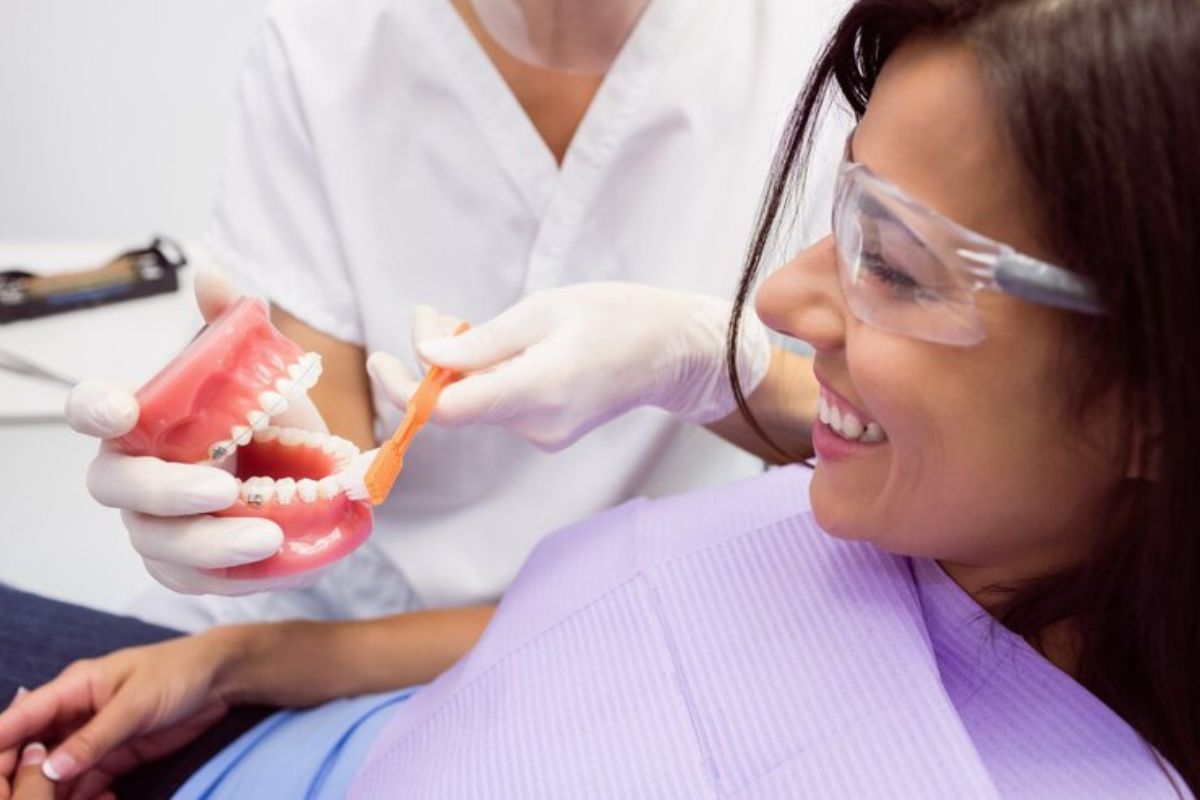
- Flossing carefully around the crown every day
- Avoiding chewing ice and other hard foods
- Wearing a custom night guard if you grind your teeth
- Visiting your dentist every six months for preventive care
These habits can help protect your crown from premature wear and damage. For more detailed guidance on protecting your restoration day-to-day, see our guide on how to care for your dental crown.
Routine dental visits allow Dr. Timothy Luong to monitor your restoration, identify early concerns, and address minor problems before they require more extensive treatment.
When Should You Have Your Crown Checked?
If your crown is approaching or has passed the 10-year mark, it is worth scheduling an evaluation, even if it feels perfectly normal. Dental crowns often show subtle signs of wear before problems become noticeable.
You should also schedule an appointment if you experience sensitivity, pain while chewing, a loose crown, or visible damage. Prompt treatment may prevent additional complications and help preserve the natural tooth underneath.
At Ascend Dental Studio, Dr. Timothy Luong provides comprehensive restorative dentistry focused on helping patients maintain healthy, long-lasting smiles. Whether your crown needs a simple evaluation or a full replacement, we are here to provide personalized care every step of the way.
If you are concerned about the condition of your dental crown, visit our dental practice in Henderson, NV, for a comprehensive evaluation. Our team will assess your restoration, identify any underlying issues, and recommend the most appropriate treatment to keep your smile healthy and functional.
With proper daily care and routine dental checkups, your dental crown can continue protecting your tooth for many years. Schedule your appointment with Ascend Dental Studio today and let us help you preserve your smile with expert, patient-centered care.
Frequently Asked Questions
Why didn’t my dental crown last 15 years?
Several factors can shorten the lifespan of a dental crown, including teeth grinding, chewing hard foods, poor oral hygiene, untreated decay beneath the crown, and missed routine dental visits. Even a well-made crown requires ongoing care to reach its expected lifespan.
Can a dental crown last longer than 15 years?
Yes. Many crowns last 15 to 20 years or longer when they are properly cared for. Good oral hygiene, regular dental checkups, and avoiding habits that place excessive force on the crown all contribute to a longer lifespan.
How can I tell if my dental crown needs replacing?
Common signs include tooth sensitivity, pain when biting, visible cracks, a loose feeling, dark lines near the gumline, or swelling around the crowned tooth. A dental examination can determine whether the crown can be repaired or should be replaced.
Does teeth grinding really damage dental crowns?
Yes. Grinding and clenching create significant pressure that can chip, crack, or loosen crowns over time. A custom night guard is one of the most effective ways to protect both your crowns and your natural teeth.
Can decay develop underneath a dental crown?
Yes. While the crown itself cannot decay, the natural tooth beneath it can. Bacteria can enter around the edges of the crown if the seal becomes compromised, making good oral hygiene and regular dental visits essential.
Related Articles