8975 S. Pecos Rd. #5A Henderson, NV 89074


By Ascend Dental Studio | May 18, 2026
You got a dental crown placed, and everything seemed fine at first. Then somewhere along the way, something changed. Maybe it feels slightly loose when you press on it with your tongue, maybe your bite feels off when you chew, or maybe there is a dull ache around the tooth that was not there before. Whatever the specific feeling, something does not seem right, and you are not sure whether to wait it out or call your dentist immediately.
The honest answer is that dental crown problems after placement are more common than most people realize, and knowing what the signs actually mean makes a real difference in how quickly the issue gets resolved.
At Ascend Dental Studio, Dr. Timothy Luong regularly evaluates patients who are experiencing discomfort or uncertainty about an existing crown and helps them understand exactly what is happening and what needs to be done about it.
What Are the Most Common Dental Crown Problems?
Common dental crown problems fall into a few clear categories. Understanding which one applies to your situation helps you communicate it clearly to your dentist and act with the right level of urgency.
Looseness is one of the most frequently reported issues. A crown that feels like it is shifting slightly when touched or when biting down usually points to cement failure. The adhesive that bonds the crown to the tooth can degrade over time, especially in crowns that have been in place for several years. When the bond weakens, the crown may move just enough to feel unstable without fully coming off.
Bite problems are another common concern. If the crown feels too high, like your upper and lower teeth are not coming together the way they used to, the crown may have been placed slightly above the ideal height. This is called a high bite and it puts uneven pressure on the crowned tooth, the opposing tooth, and sometimes the jaw joint. Persistent jaw soreness or headaches after a new crown can often be traced back to this.
Sensitivity and pain around a crowned tooth, especially long after placement, can indicate decay forming underneath the crown, a crack in the tooth beneath it, or in some cases an infection that has reached the root. Crowns protect the visible part of the tooth but the root and surrounding structure are still vulnerable to decay if bacteria find a way in through a compromised margin.
A visible gap between the crown and the gum line, an unusual taste or odor near the tooth, or food consistently getting trapped in the same spot are also signs that the fit has been compromised.
Metal Dental Crown Problems vs Other Materials
Not all crowns behave the same way over time. Metal dental crown problems often involve the gum tissue reacting to the metal margin at the base of the crown, leading to inflammation or a dark line appearing at the gumline over the years. This is more common with older porcelain-fused-to-metal crowns where the underlying metal begins to show as the gum recedes slightly with age.
Gold dental crown problems are less common because gold is highly durable and biocompatible with gum tissue. However, gold crowns can still experience cement failure over time and the same looseness issues apply. Because gold is a softer metal, wear on the opposing tooth can occasionally occur over many years as well.
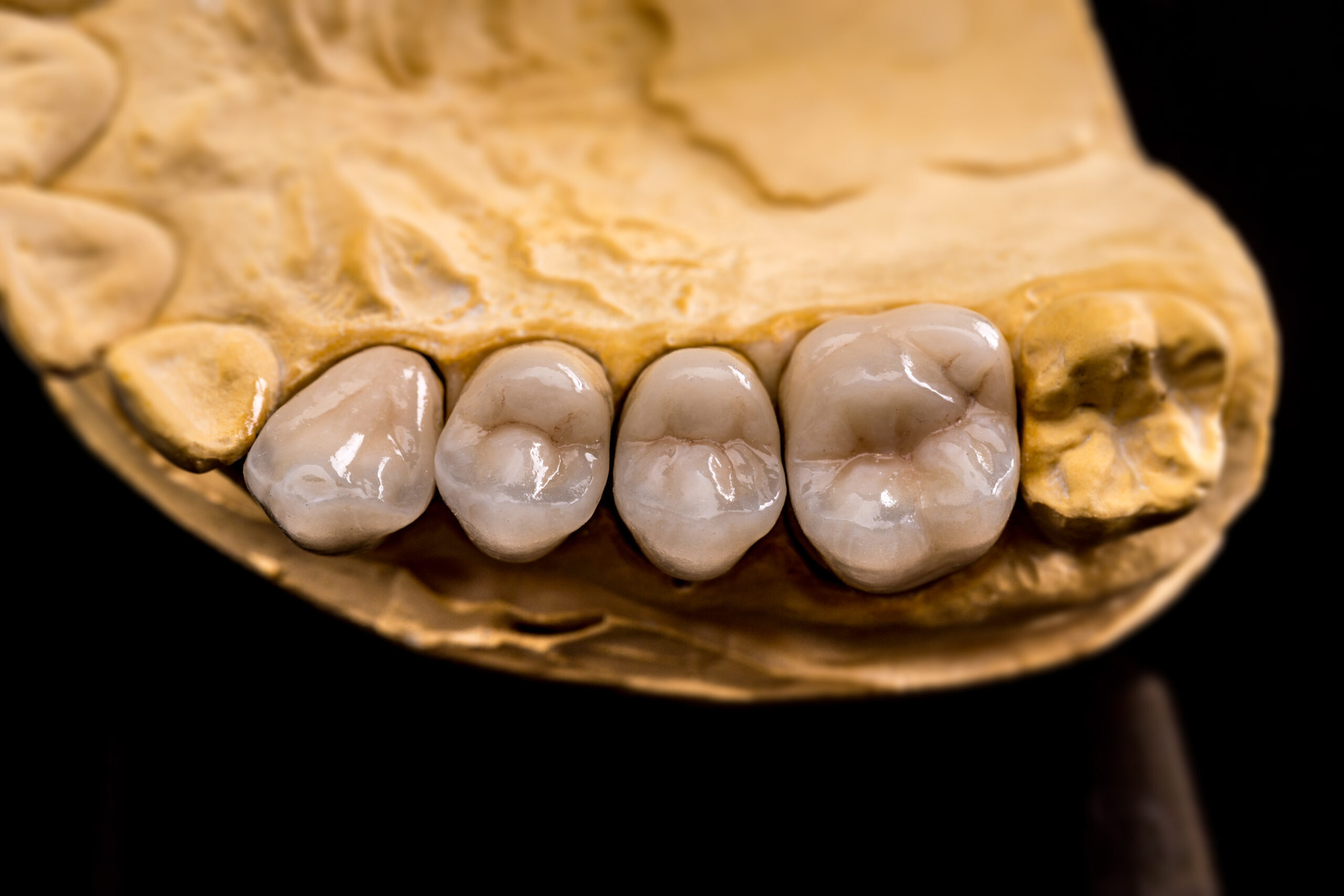
Porcelain and ceramic crowns can chip or develop small fractures, which may not always be visible but can cause sensitivity or a rough texture that feels different when running your tongue across it.
Problems With Dental Crown Placement That Show Up Later
Some problems with dental crowns in Henderson have nothing to do with the material; they actually come down to fit. They are about fit. A crown that was not seated perfectly at placement may feel acceptable at first while the cement is fresh and your mouth is adjusting. Over weeks or months, a slightly off-fit can lead to recurring sensitivity, bite discomfort, or recurrent decay at the margin where the crown meets the tooth.
This is why ongoing problems after crown placement should always be evaluated rather than tolerated. A crown that never quite felt right is not something you have to live with indefinitely.
For anyone who’s been suffering and who has been putting up with a crown that never felt quite right, getting dental crowns in Henderson sooner rather than later almost always leads to a simpler outcome. When you find a dentist in Henderson who takes the time to check both the fit and the bite together, the root cause is usually identified in a single visit.
When to Call Your Dentist
Not every unusual sensation requires an emergency visit, but there are clear situations where prompt attention matters. If the crown is visibly moving or feels like it may come off, if there is significant pain or swelling around the tooth, or if you notice a bad taste or odor that does not go away, those situations should be seen quickly.
A crown that feels slightly high after recent placement often settles within a week or two as your bite adjusts. If it does not settle, a simple adjustment from your dentist typically resolves it in one short visit. If you are unsure whether what you are feeling warrants a visit, a dentist in Henderson can usually tell you over the phone whether it needs same-day attention or can wait for a regular appointment.
Getting Your Crown Evaluated in Henderson
For patients experiencing any of the signs described above, the first step is an evaluation with a dentist who can actually see what is happening. Many dental crown problems in Henderson that patients assume will require a full replacement turn out to be straightforward fixes once a dentist examines the crown, checks the bite, and assesses the underlying tooth.
At Ascend Dental Studio, Dr. Timothy Luong takes a thorough approach to crown evaluations, using a careful examination and imaging where needed to identify what is actually causing the discomfort. For patients looking for a trusted dentist in Henderson who understands both the technical and patient experience side of crown care, the practice is built around exactly that kind of attentive, precise evaluation.
Dental crowns, which are placed or evaluated at Ascend Dental Studio, are assessed for both fit and function, and patients are given a clear explanation of what is found and their options before any decision is made.
Dr. Timothy Luong brings over 20 years of clinical experience to every evaluation, including a background in restorative care that gives patients the confidence that their crown concerns are being assessed by someone who understands the full picture. The team at Ascend Dental Studio are proudly serving around the Henderson area, including patients from Clark County and Paradise Hills. If something feels off with your crown, reaching out sooner rather than later almost always leads to a simpler and more manageable outcome.
If you are ready to get your crown checked, contact Ascend Dental Studio to schedule an consultation with Dr. Luong and his team.
FAQs
Why does my dental crown feel loose even though it has not fallen off?
A crown that feels loose but stays in place usually means the dental cement bonding it to the tooth has started to fail. The crown itself may still be intact but the adhesive underneath has weakened. This needs to be evaluated by a dentist because a loose crown can allow bacteria to reach the underlying tooth, leading to decay beneath the restoration.
Is it normal for a new crown to feel uncomfortable or high for a few weeks?
Some adjustment is normal in the first few days after a new crown is placed as your bite settles. If the discomfort or high bite feeling persists beyond one to two weeks, it is worth going back to have the crown adjusted. A bite that consistently feels off puts extra stress on the tooth and jaw over time.
Can decay form under a dental crown?
Yes. A crown protects the visible portion of a tooth but the margin where the crown meets the tooth at the gumline can allow bacteria in if the fit becomes compromised over time. Regular checkups and X-rays help catch decay under a crown early, before it becomes a more involved problem.
What is the difference between metal and porcelain crown problems?
Metal and gold crowns tend to be very durable but can cause gum sensitivity or a visible dark line at the gumline as the gum recedes over time. Porcelain and ceramic crowns can chip or crack and may be more sensitive to temperature changes. Both types can develop looseness or fit issues over time regardless of the material.