8975 S. Pecos Rd. #5A Henderson, NV 89074



By Ascend Dental Studio | November 11, 2026
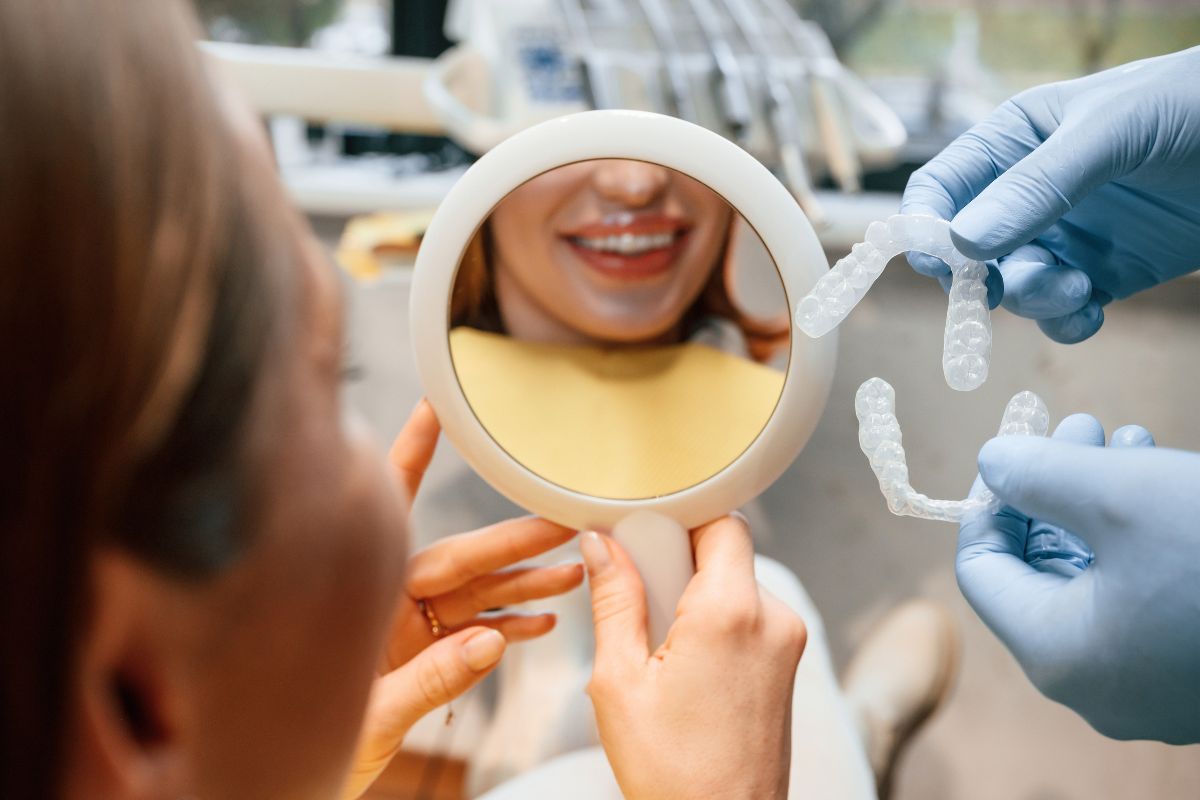
You started clear aligner therapy expecting straighter teeth, but the results seem slower than expected. Your trays may feel comfortable, yet the gaps, crowding, or crooked teeth appear unchanged. Naturally, you might wonder whether your treatment is working.
Invisalign can move teeth gradually, but progress depends on consistent wear, proper aligner fit, and how your teeth respond to planned movements. Sometimes, minor adjustments are necessary to keep everything on track.
At Ascend Dental Studio, Dr. Luong helps patients in Henderson understand their orthodontic progress through digital treatment planning and ongoing evaluations. Recognizing possible reasons for delayed tooth movement can help you address concerns before they affect your treatment timeline.
How Long Does It Take for Teeth to Move With Clear Aligners?
Teeth begin responding to orthodontic forces before noticeable changes appear. Your aligners apply controlled pressure that encourages gradual movement through the surrounding bone.
However, visible improvements may take several weeks or months, depending on your alignment concerns.
Patients receiving invisalign in Henderson should understand that every tooth moves differently. Some require rotation, while others need adjustments to their position or angle.
A lack of visible changes does not automatically indicate treatment failure. Your dentist can compare your current tooth positions with your digital treatment plan to determine whether progress is occurring.
6 Possible Reasons Your Teeth Aren’t Moving as Expected
1. You Aren’t Wearing Your Aligners Long Enough
Consistent wear is essential for predictable tooth movement. Most patients must wear their clear aligners 20 to 22 hours a day, removing them mainly for meals, drinks other than water, and oral hygiene.
Removing your trays too often can interrupt the planned movement.
Common habits that affect progress include:
- Leaving aligners out after meals
- Forgetting to wear them overnight
- Taking extended breaks during social activities
- Removing trays frequently throughout the day
What to do: Track your daily wear time and follow your dentist’s instructions. Consistency matters more than occasionally wearing your trays for extra hours.
2. Your Aligners Aren’t Fitting Properly
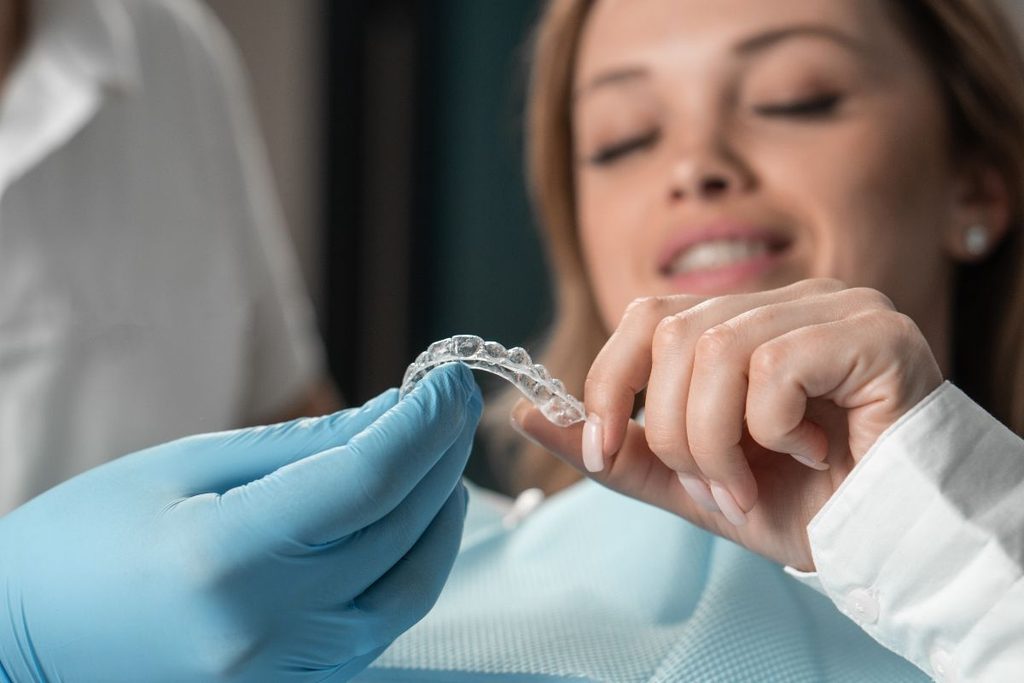
Clear aligners must fit closely against your teeth to apply the intended forces.
Sometimes, your teeth fail to follow the planned movement. Our dentists call this problem aligner tracking.
Signs of poor tracking include:
- Visible gaps between teeth and trays
- Aligners that repeatedly lift away
- Difficulty seating a new tray
- One tooth appearing out of position
What to do: Contact our dental office if your aligners no longer fit properly. Don’t force them into place or move on to the next set without guidance.
3. You’re Switching Aligner Trays Too Early
Each aligner is designed to complete a particular stage of tooth movement.
Changing trays before your teeth reach their intended positions can create tracking problems. The following trays may no longer fit as planned.
Most aligner schedules involve changing trays every one to two weeks, though instructions vary by patient.
What to do: Follow your prescribed schedule. Never speed up tray changes just because your current aligner feels comfortable.
4. Your Attachments Are Missing or Damaged
Some orthodontic cases require small, tooth-colored attachments bonded to the teeth.
These attachments help aligners grip particular teeth and deliver forces needed for rotation or other movements.
A missing attachment can interfere with certain planned movements, even when your trays still appear to fit.
What to do: Inform our dentist if an attachment breaks or falls off. Our dental team can determine whether you need a replacement.
5. Your Teeth Require More Complex Movements
Not every tooth responds to orthodontic pressure at the same rate.
Rotated teeth, significant crowding, and certain bite problems can require additional treatment stages.
Factors influencing tooth movement include:
- Root position and tooth anatomy
- Available space within the dental arch
- Complexity of the required rotation
- Individual biological response
Some patients may need additional aligners, attachments, or other orthodontic techniques to complete their planned correction.
What to do: Attend scheduled progress evaluations so our dental practitioner can identify movements requiring additional attention.
6. Your Treatment Plan Needs Refinement
Even with consistent wear, actual tooth movement does not always match the original digital simulation.
Your teeth may respond differently than initially predicted. Changes in bite alignment can also influence the remaining treatment stages.
An orthodontic refinement involves reassessing tooth positions and creating additional aligners when needed.
What to do: Talk with the orthodontist about your progress. Updated digital scans may help determine whether your plan needs changes.
How to Get Your Transparent Aligner Treatment Back on Track
If your teeth aren’t moving as expected, avoid making treatment changes on your own.
Follow these practical steps:
- Check daily wear time. Maintain the hours recommended by your dentist.
- Inspect your aligner fit. Look for persistent gaps or lifting edges.
- Follow your tray schedule. Avoid skipping or changing trays early.
- Protect your attachments. Report missing or damaged attachments.
- Attend follow-up visits. Allow your dentist to evaluate tooth movement.
If you’re concerned about slow Invisalign progress, a clinical exam can determine whether your treatment is still on schedule.
Get Your Smile Progress Moving Again in Henderson
Clear aligner treatment requires consistency, careful monitoring, and occasional adjustments. Slow progress does not always mean something is wrong, but persistent tracking problems deserve professional attention.
Searching for a dentist near me because your aligners aren’t working as expected? Our Henderson dental office can evaluate your teeth, assess your aligner fit, and explain your available options.
Whether you’re starting Invisalign treatment or concerned about your current progress, our team is ready to help.
Schedule your appointment at our Henderson office by calling (702) 608-0731 and begin your journey toward a straighter, healthier smile with personalized orthodontic care.
Frequently Asked Questions
1. Why are my teeth not moving even though I wear my aligners every day?
Your teeth may not be tracking correctly, even with consistent wear. Poor tray fit, complex tooth movements, or missing attachments can affect progress. A dental evaluation can determine whether your treatment requires adjustments or additional aligners.
2. How do I know if my clear aligners are working?
Your trays should fit closely against your teeth, and gradual changes may become visible over time. However, appearance alone cannot confirm progress. During scheduled evaluations, our dentist can compare your current tooth position with your original treatment plan.
3. What happens if my teeth stop tracking with clear aligners?
Poor tracking occurs when teeth do not follow their planned movements. The dentist may recommend wearing a particular tray longer, replacing attachments, or creating additional aligners. Avoid switching trays on your own until your dental team evaluates the problem.
4. Can teeth move more slowly during certain stages of aligner therapy?
Yes. Some movements, including tooth rotation and vertical adjustments, can be more challenging than others. Progress may appear slower during these stages. Regular dental examinations help determine whether you need more time or changes to your treatment plan.
5. Will wearing my aligners longer make my teeth move faster?
Wearing aligners for the prescribed 20 to 22 hours daily supports planned tooth movement. However, wearing them continuously cannot safely accelerate the biological process. Follow the dentist’s instructions instead of attempting to speed up treatment.
6. Do I need new aligners if my teeth aren’t moving?
Not necessarily. Our orthodontist may first evaluate wear time, tray fit, and attachment placement. If your teeth have moved differently than planned, additional digital scans and refinement trays may be recommended to continue treatment safely.